


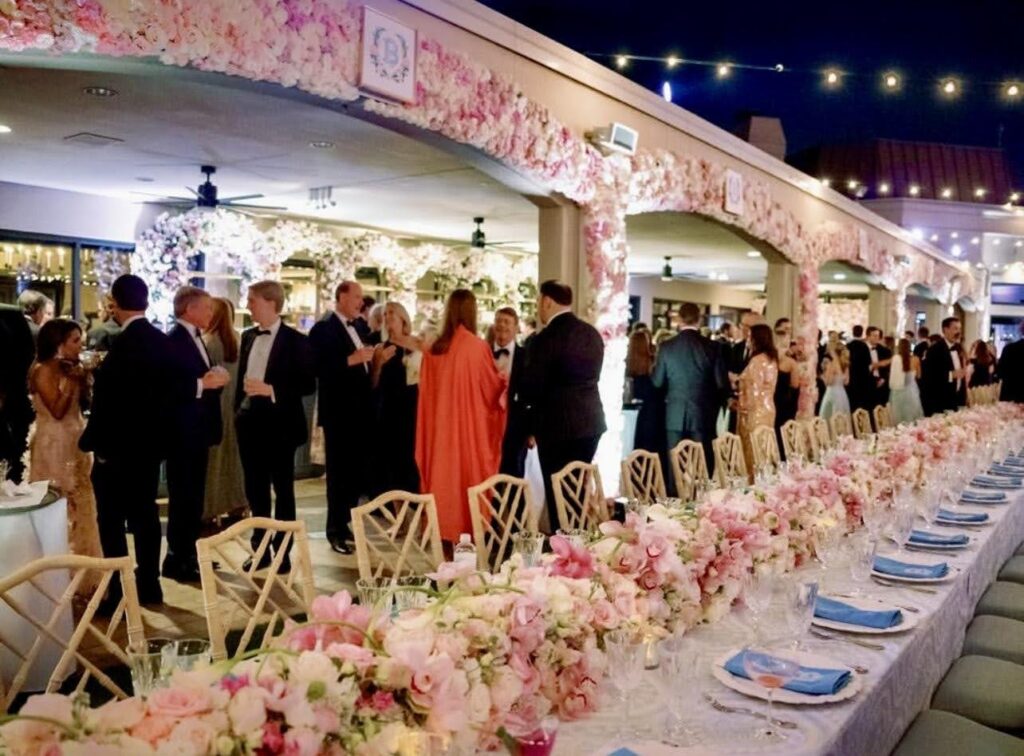
Walk into almost any successful event and ask guests what they remember most. Rarely will they describe the mechanics that made the experience possible. They won’t talk about the number of stems used, the installation schedule, the structural engineering hidden inside an armature, or the countless decisions required to transform an empty room into something memorable. Instead, they will describe a feeling. They will remember the moment they entered the space, the atmosphere that greeted them, the unexpected detail that caused them to stop, or the environment that made them feel as though they had stepped into another world.
This is one of the great paradoxes of event design. The work itself is highly technical, yet the outcome is emotional. Long before guests arrive, teams are making decisions about scale, circulation, color, lighting, texture, proportion, sightlines, and timing. Every choice influences how people experience the environment, even if they never consciously recognize it. When those choices work together successfully, guests don’t notice the design. They simply feel something.
For many years, flowers were often viewed as decorative enhancements—beautiful additions layered onto an already completed event. Increasingly, however, flowers have become something far more significant. They have become part of the architecture of experience itself. They define thresholds, create destinations, establish mood, shape movement, and help transform otherwise ordinary venues into places that feel distinct and memorable.
The most successful event environments begin with a story. Not a theme in the traditional sense, and certainly not a collection of matching colors and materials, but a central idea that informs every design decision. Story gives purpose to scale. It provides context for color. It creates relationships between individual design elements that might otherwise feel disconnected. Most importantly, it gives guests something to feel, even if they never hear the story explained aloud.
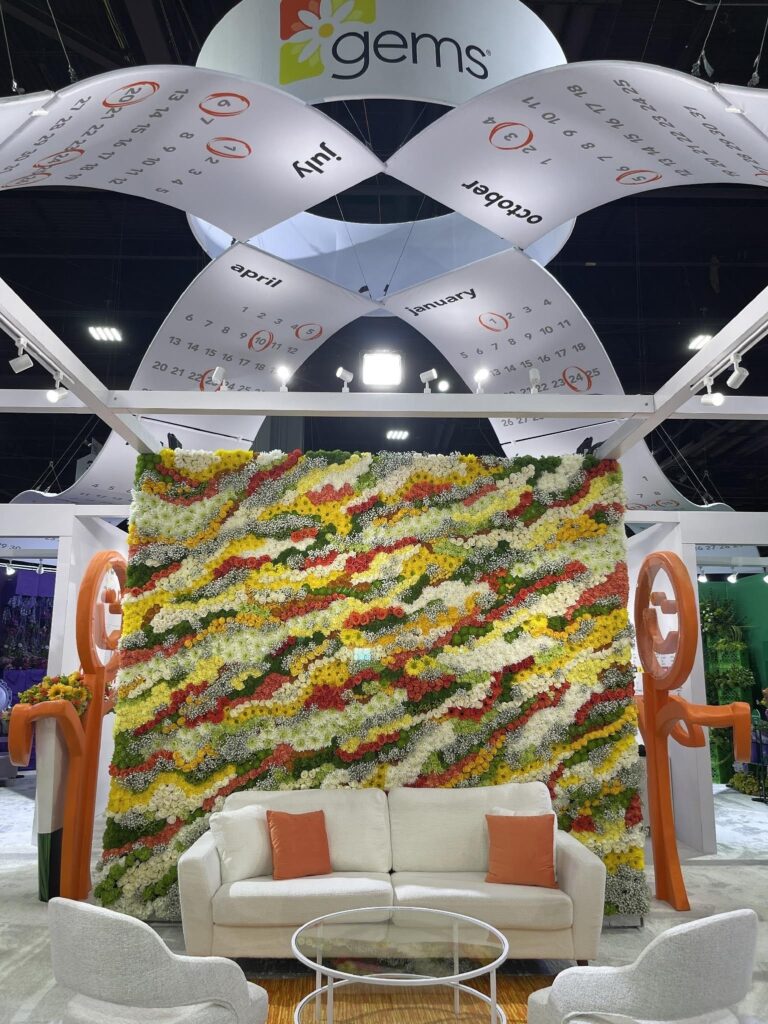
Brand functions in much the same way. While logos, graphics, and messaging remain important, the strongest brands are experienced rather than observed. Hospitality brands understand this instinctively.
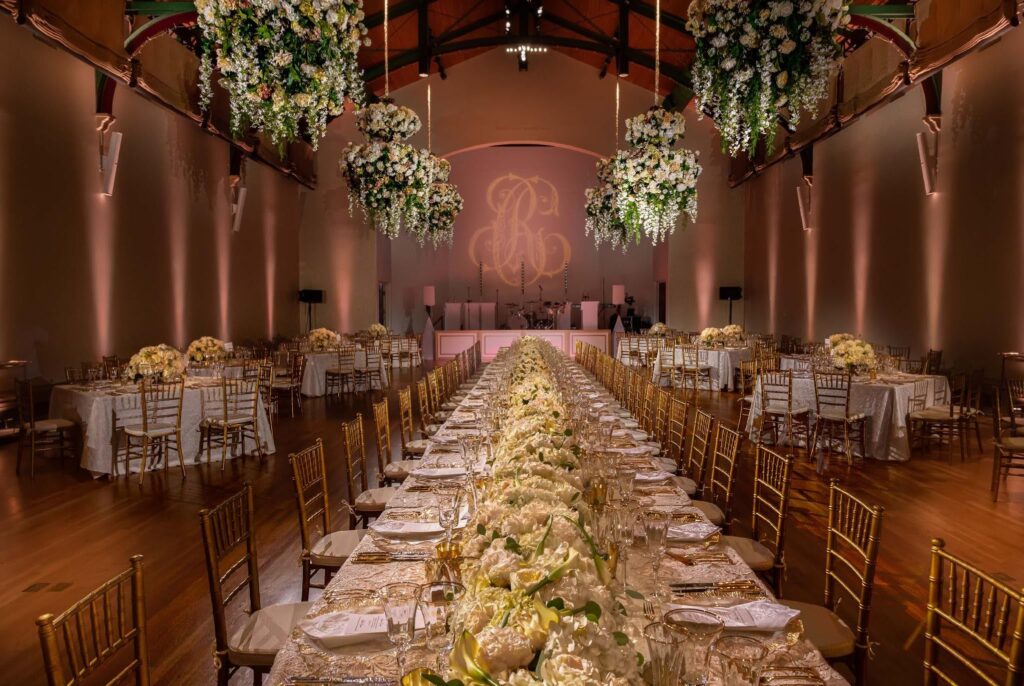
Luxury hotels invest heavily in atmosphere because they recognize that people remember how a place made them feel long after they have forgotten individual details. The same principle applies to corporate events, product launches, weddings, exhibitions, and public installations. Every environment communicates something. The question is whether that message is intentional.
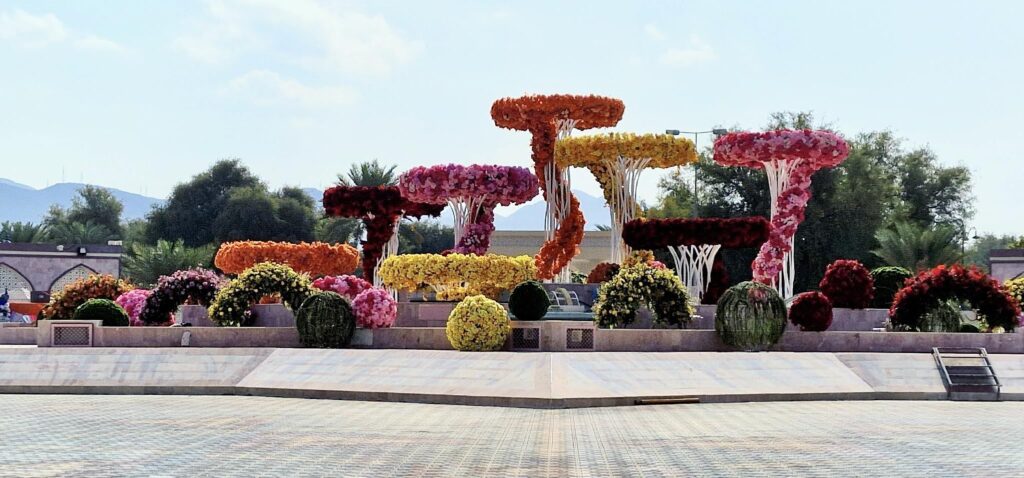
Flowers occupy a unique position within this conversation because they bring qualities that few other design materials can offer.
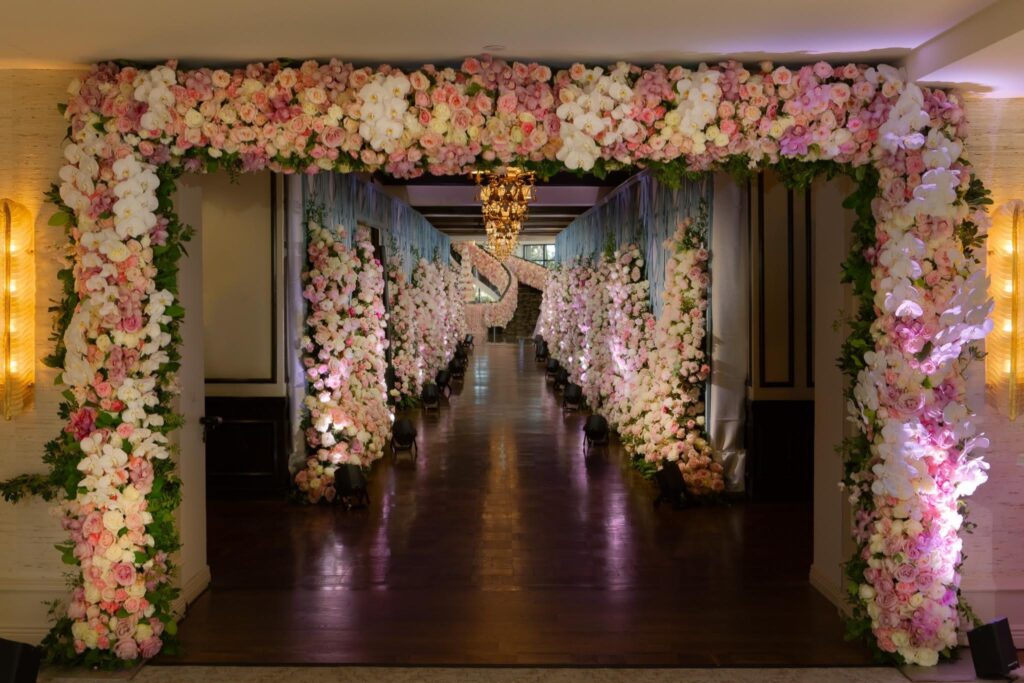
They introduce life, seasonality, movement, texture, fragrance, and impermanence. They soften architecture while simultaneously commanding attention. They can create intimacy within a grand space or transform a simple room into an immersive experience. Used thoughtfully, they become more than decoration. They become part of the emotional language of the event.
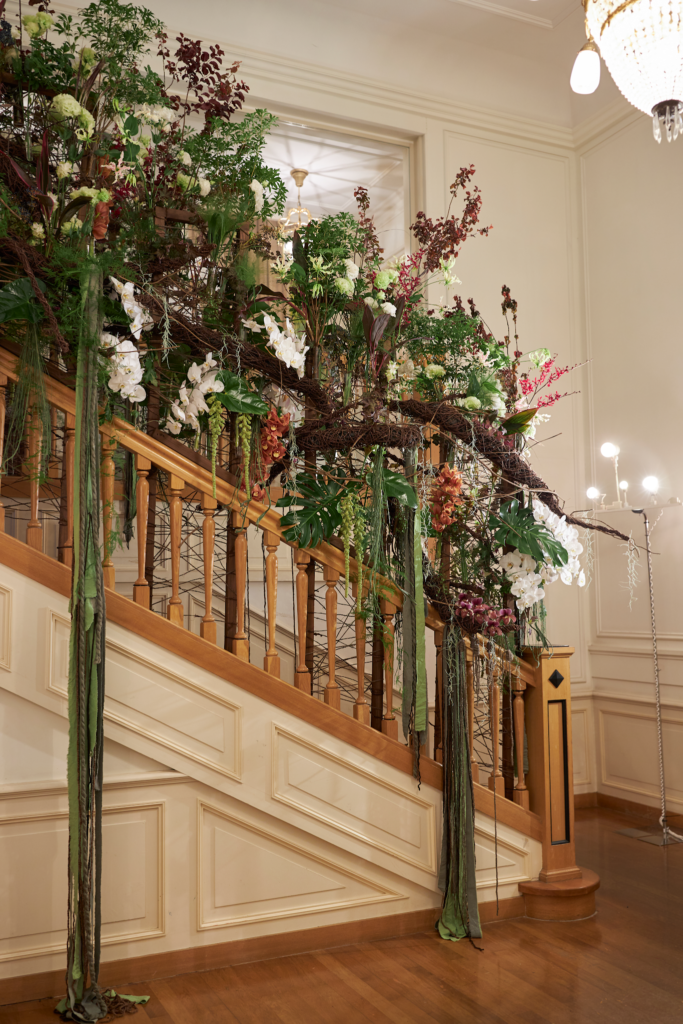
What has changed over the past decade is not simply the scale of floral design but the expectations surrounding it. Guests have become increasingly sophisticated consumers of experience. They travel more, see more, photograph more, and share more. As a result, creating a memorable environment requires more than visual beauty alone. The most successful projects today combine design, storytelling, hospitality, and emotional intelligence. People are not merely attending an event; they are participating in an experience.
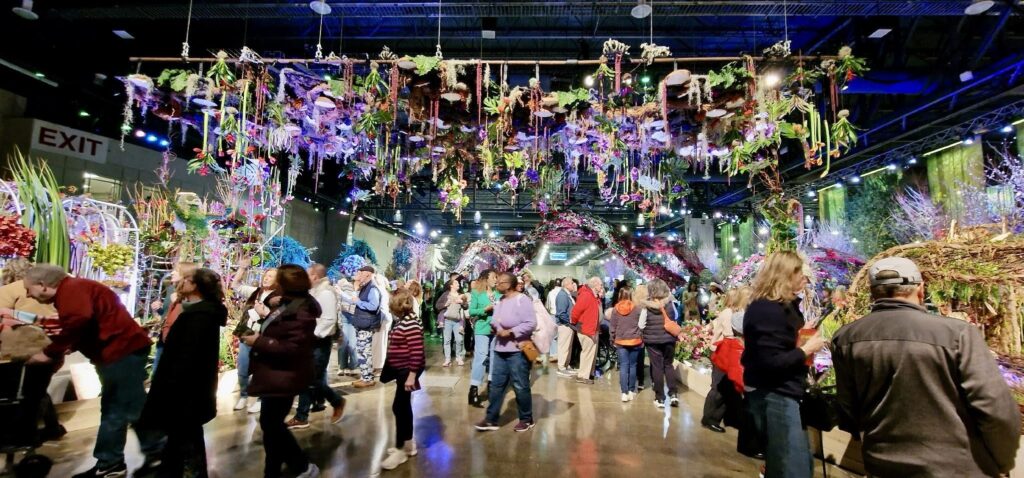
This shift has elevated the role of floral artistry beyond arrangement making and decoration. Increasingly, floral professionals find themselves contributing to broader conversations about guest experience, environmental design, brand expression, and emotional engagement. The flowers remain essential, but they are no longer the entire story. They are one of the tools used to shape how people encounter a space and how they remember it afterward.
Ultimately, the goal is not to impress guests with flowers.
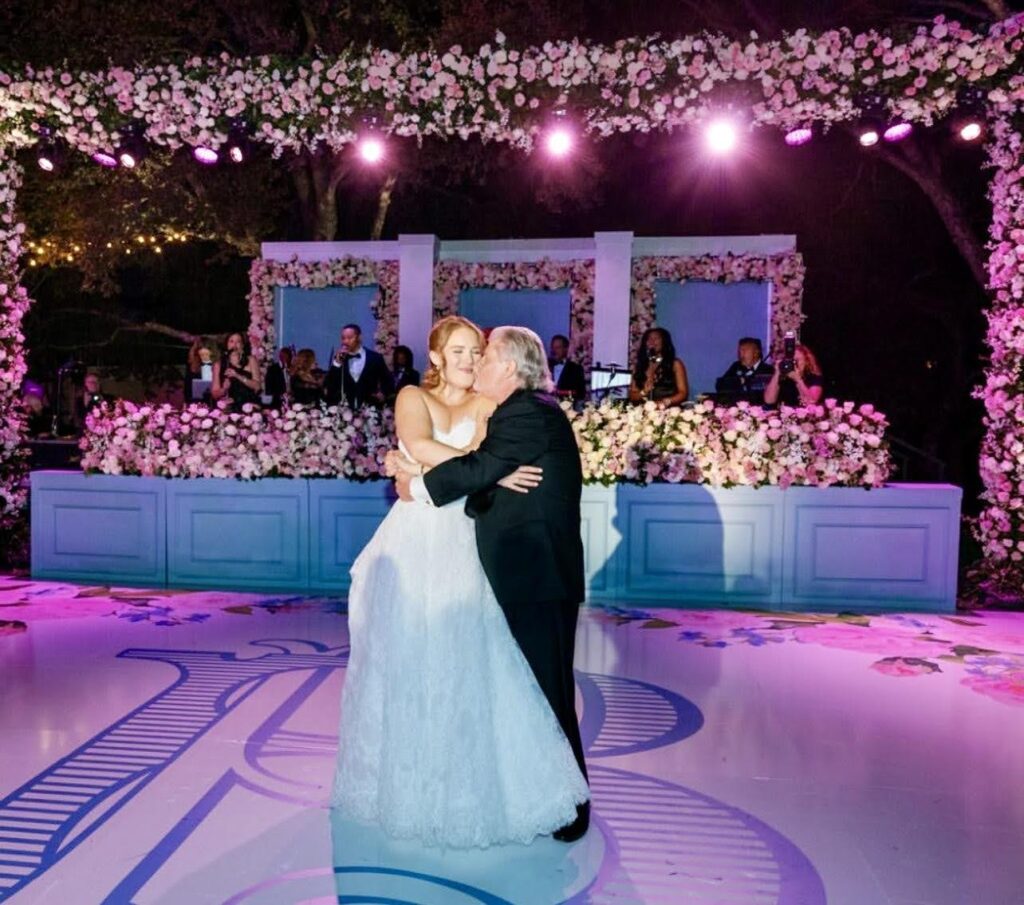
It is to create environments that invite people to feel something. Sometimes that feeling is wonder. Sometimes it is celebration.
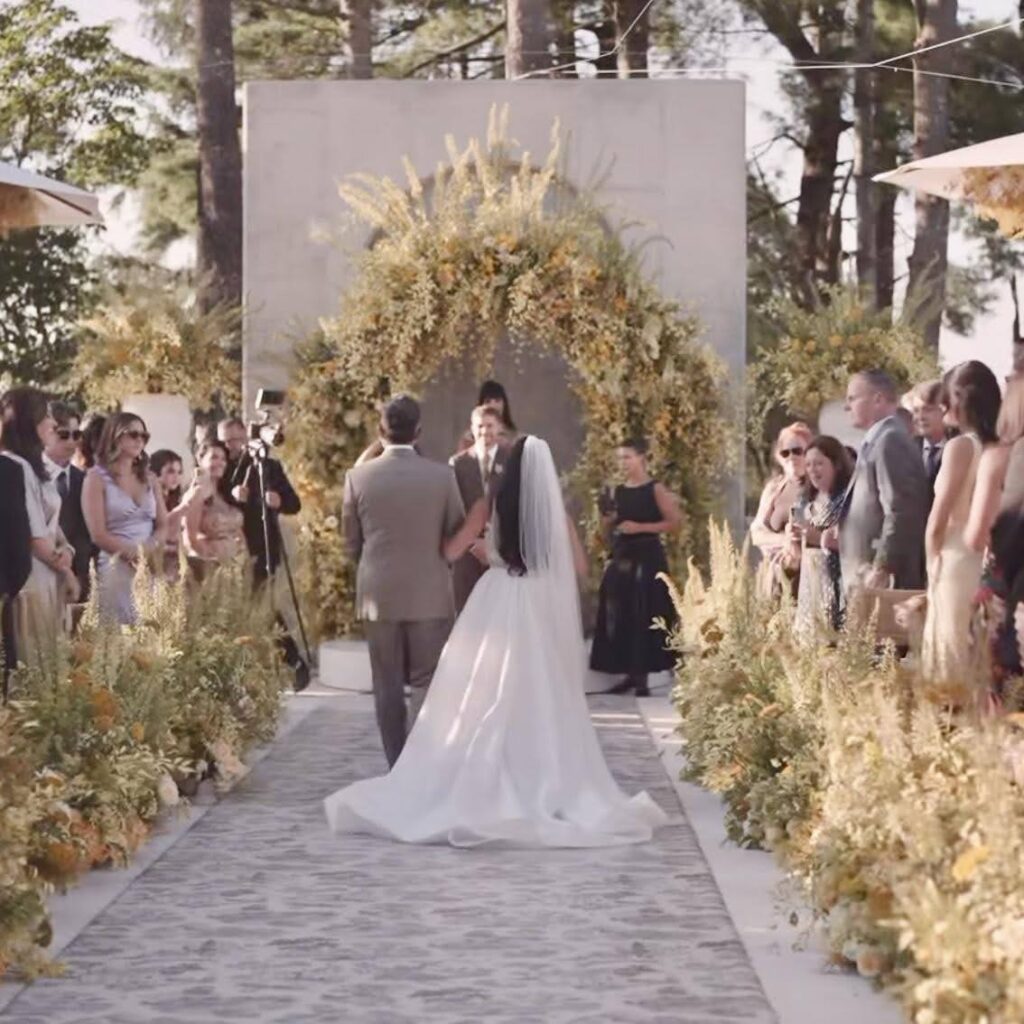
Sometimes it is comfort, curiosity, joy, nostalgia, or connection. Whatever form it takes, that emotional response becomes the lasting memory. Long after the flowers themselves have faded, the experience remains.
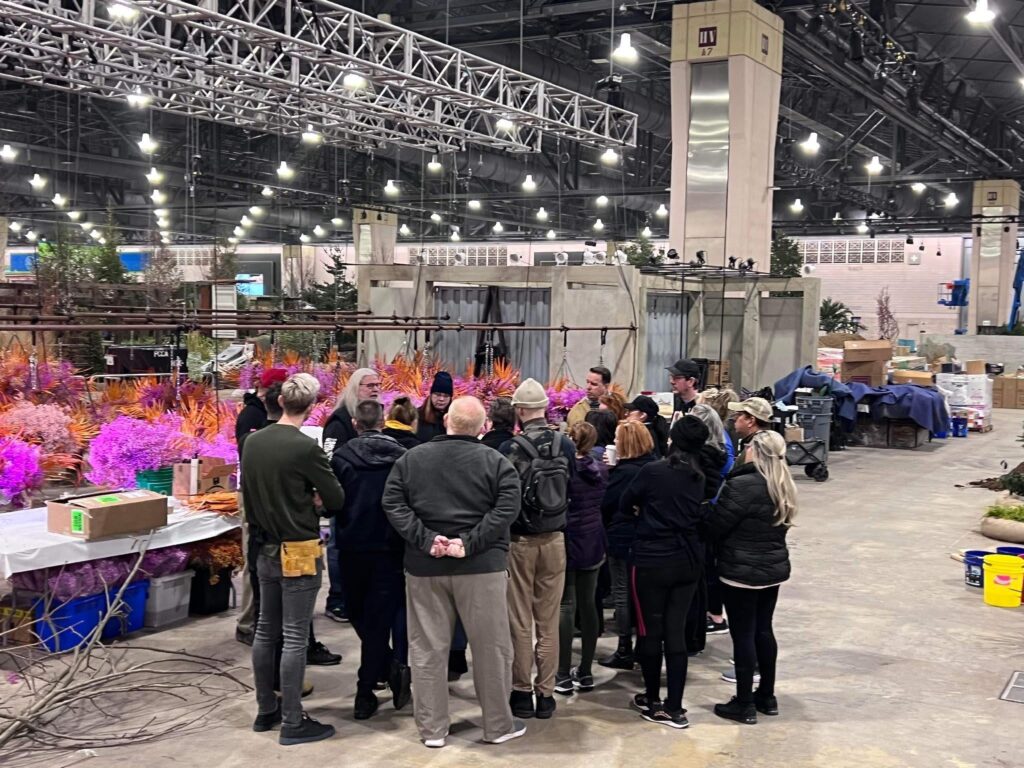
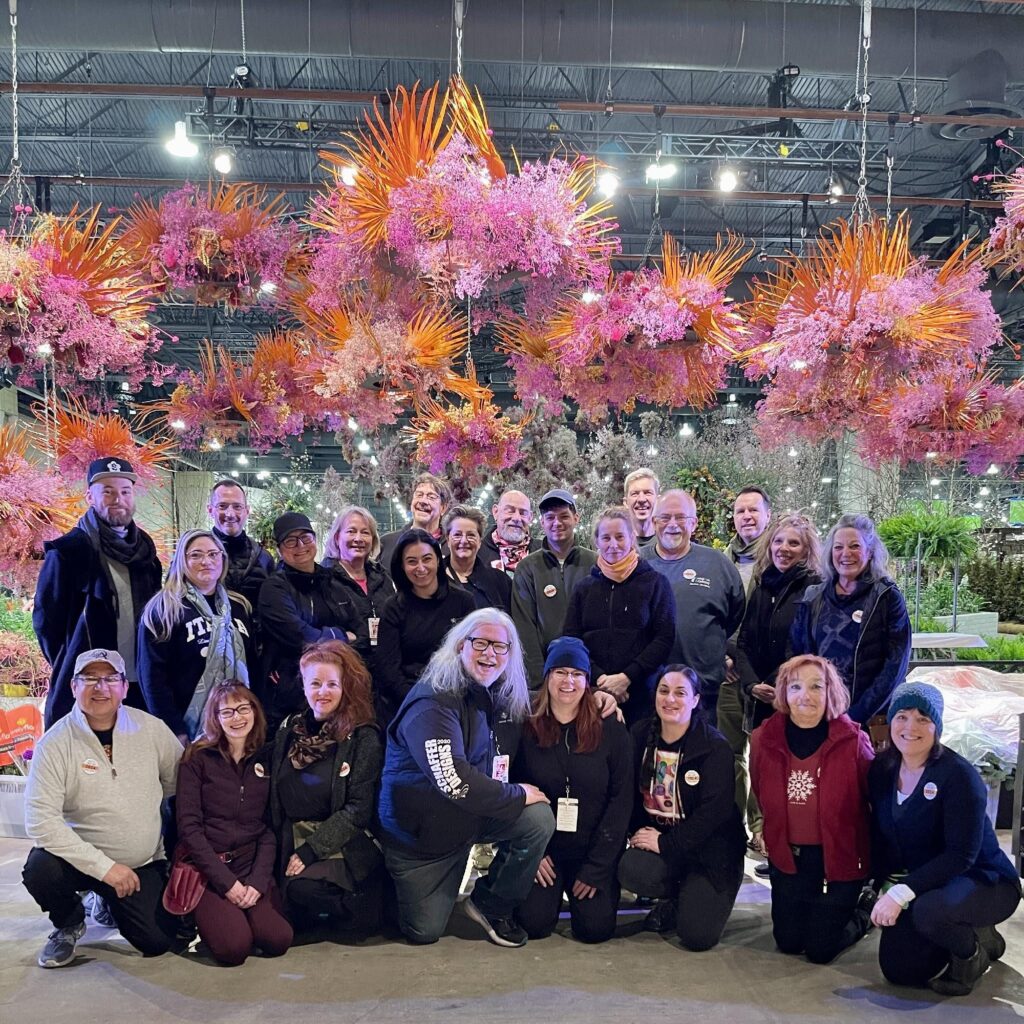
That, perhaps, is the real power of floral artistry. Not that it changes a room, but that it changes the way people experience the room while they are in it.
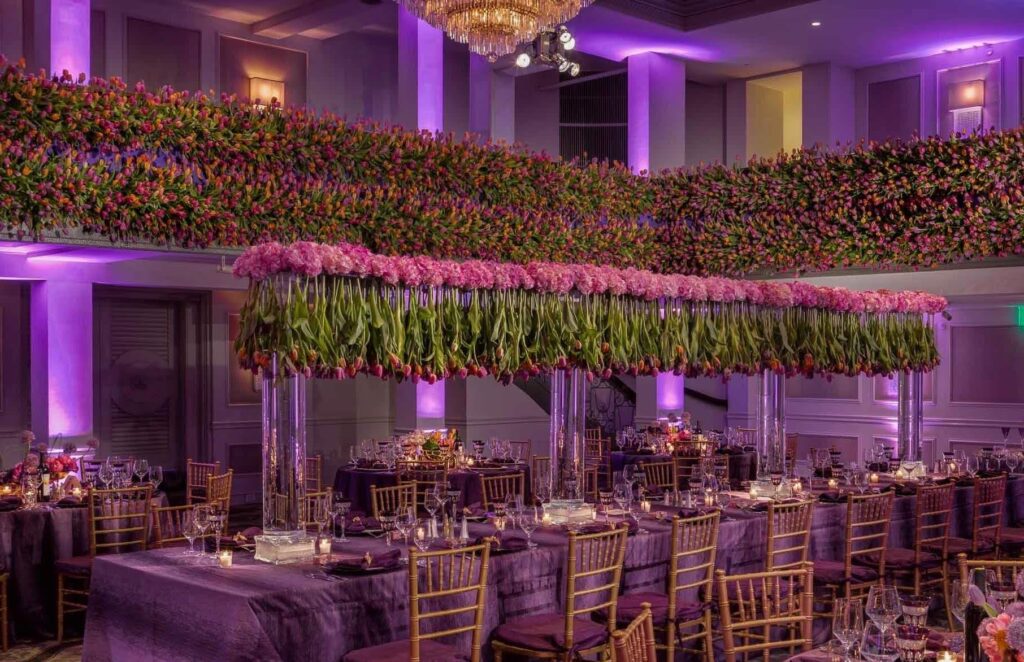
Photography by Bill Schaffer, Kristine Kratt, Lily Beelen, and Photography by Jerry Hayes
About the Author
Bill Schaffer is a third-generation floral designer celebrating 100 years of family legacy in the floral industry. With over three decades of experience, he is known globally for his work in trend forecasting, product development, and large-scale event design. Alongside his wife and creative partner, Kristine Kratt, Bill has collaborated on exhibitions and educational events across Europe, the Americas, and Asia. As a longtime Project Consultant for the GEMS Group, he has helped shape innovation in mass-market bouquets and floral design. His installations have earned international recognition, including serving as the first Legacy Exhibitor at the Philadelphia Flower Show and the inaugural lead floral designer for the Oman Flower Festival. In 2026, Bill and Kris will appear as featured floral artists at Floralien Ghent in Belgium.
Published by New Bloom Media
New Bloom Media (NBM) is the first multi-channel B2B media platform dedicated solely to the floral industry across the Americas. Through thought leadership, industry insights, and collaborative storytelling, NBM helps businesses innovate, connect, and thrive.
Want more floral industry insights?
Subscribe to our newsletter for exclusive interviews, market updates, and innovation spotlights delivered straight to your inbox.