


How genetic innovation defines Ecuador’s competitiveness in the global floral market.
Behind every Ecuadorian rose that reaches a florist in New York, a shop in Amsterdam, or a supermarket in Tokyo, there is a process involving years of genetic research, trait selection, and a strong commitment to innovation. Ecuadorian floriculture does not compete solely on price or volume—its true competitive advantage lies in the genetic quality of its varieties.
Floral genetics is, at its core, the science of combining and enhancing the most desirable characteristics of a plant—size, color, shape, resistance, durability—to create new varieties that meet market demands. In the cut flower sector, particularly in roses, this field has evolved dramatically over recent decades, becoming a decisive factor for commercial success.
Ecuador as a Producing Country: Quality, Consistency, and Variety
Ecuadorian floriculture is built on a clear, long-term strategy: to compete globally not just on volume, but on differentiation. The country’s positioning as a producer is based on three fundamental pillars—quality, consistency, and variety—which have become Ecuador’s calling card in major international markets.
A key component of this strategy is constant varietal innovation. Ecuador maintains a broad portfolio of around 900 registered varieties and rotates approximately 10% of them each year. This allows producers to respond to increasingly dynamic consumption trends while keeping their offerings fresh for international buyers.
This evolution is even more relevant in a context where consumer behavior has shifted significantly. Today’s buyers, particularly millennials and Gen Z, are no longer looking only for traditional flowers. They demand more elaborate formats, distinct visual experiences, and products with a story. Bouquets and mixed arrangements have gained prominence, creating new production, logistical, and—above all—genetic requirements.
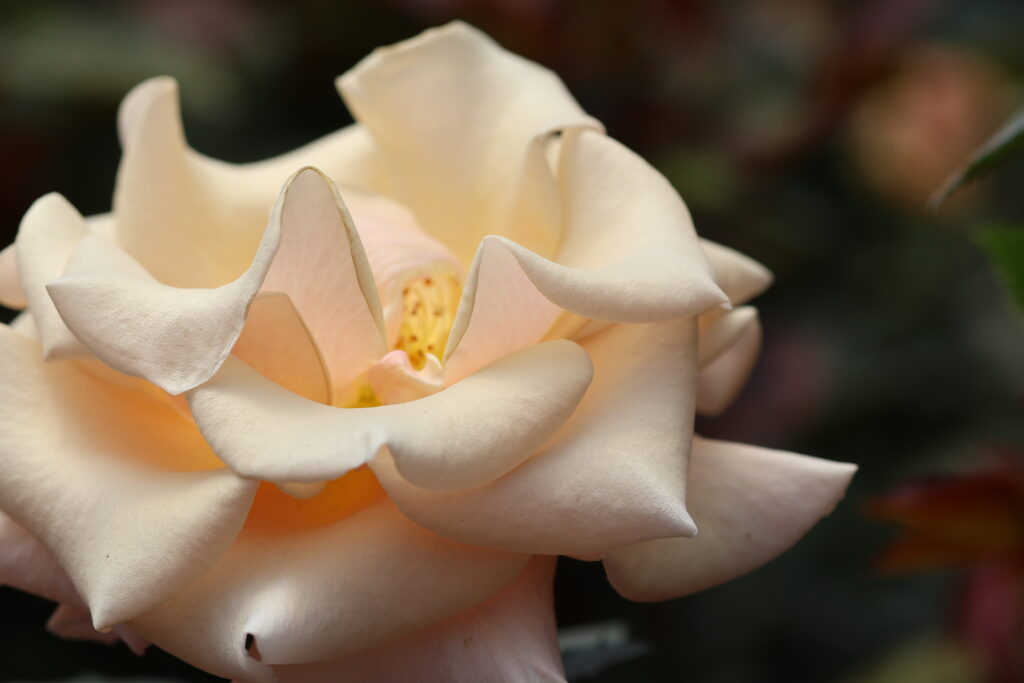
“Ecuador does not just sell flowers: it sells innovation, rarity, and consistency. And that begins in a breeder’s genetic laboratory.”
This strategy also incorporates sustainability through respect for intellectual property. Ensuring that breeders—those who develop new varieties—continue investing in genetic innovation is essential for Ecuador to maintain its competitive position in a market where novelty and differentiation are increasingly valuable.
What is the Market Looking for in a Rose Today?
Thinking that genetic innovation in flowers is purely an aesthetic matter would be superficial. While color, bud shape, and stem length are clearly important attributes for the end consumer, genetic development goes far beyond that.
Today’s market demands a precise combination of characteristics that, until recently, were difficult to achieve within a single variety:
- Bud size and shape: Roses with larger blooms, layered petals, or unusual shapes reminiscent of garden roses (“garden-like”) are rapidly gaining ground.
- Vase life: A rose that lasts longer once opened delivers greater satisfaction to the end consumer, directly translating into loyalty and perceived value.
- Disease resistance: More robust varieties reduce reliance on agrochemicals, improve crop sustainability, and minimize field losses.
- Transportability: In a global market where flowers travel thousands of kilometers under cold-chain conditions, a variety’s ability to arrive in perfect condition is a top-tier genetic trait.
- Production consistency: The most demanding markets require consistent batches in size, color, and opening stage—something only achievable with a stable genetic base.
The precise combination of all these traits is, today, the key to a variety’s commercial success. Each year, breeders release stronger, more resilient, better-traveling, and more visually appealing varieties. This is the essence of genetic development applied to floriculture.
A Market in Transformation: From Florists to Supermarkets
Flower distribution channels are evolving, and this has direct implications for which varieties are needed. In the United States and Europe, traditional florists are declining in number, while consumers increasingly purchase flowers from supermarkets, convenience stores, and online platforms.
This has created an interesting paradox: supermarkets require volume and affordability, while surviving florists differentiate themselves through uniqueness. To compete with mass retail, florists seek rare varieties that are difficult to find and carry a compelling narrative. This is where genetically innovative varieties become a strategic asset.
A clear example is the rise of “garden-like” roses—varieties with more open blooms, multiple petals, and a romantic aesthetic. Once considered niche products for high-end floral designers, these roses are now sold across all market segments, from exclusive boutiques to supermarket chains worldwide. What was cutting-edge genetic innovation five years ago is now mainstream.
This perfectly illustrates the speed at which the market moves and the importance of staying ahead in varietal development.
Flores Verdes: When Variety is the Strategy
Among Ecuadorian farms that have turned varietal innovation into their main competitive advantage, Flores Verdes stands out as a compelling case study. Its business model is built on a simple yet powerful premise: always having new varieties, even before they are available to the broader market.
Across its 30 hectares of production, Flores Verdes currently manages 120 different varieties. This number is no coincidence—it reflects a philosophy of constant renewal that differentiates the company from farms operating with more concentrated portfolios.
To achieve this, the farm has developed a key strategic partnership: a variety evaluation space in collaboration with Plantec, one of the sector’s leading breeders. This partnership allows them to access new genetic developments firsthand, before they are officially released to the commercial market.
“Evaluating more than 100 codes per year is not an academic exercise—it is how Flores Verdes ensures it is always first.”
Each year, the Flores Verdes team evaluates over 100 variety codes—technical terminology for varieties still in the testing phase and without a commercial name—assessing their agronomic performance, post-harvest behavior, and market potential. Only a fraction of these codes make it into production, but this rigorous filtering process ensures the quality of their portfolio.
The Exotix Collection: The Value of Being First
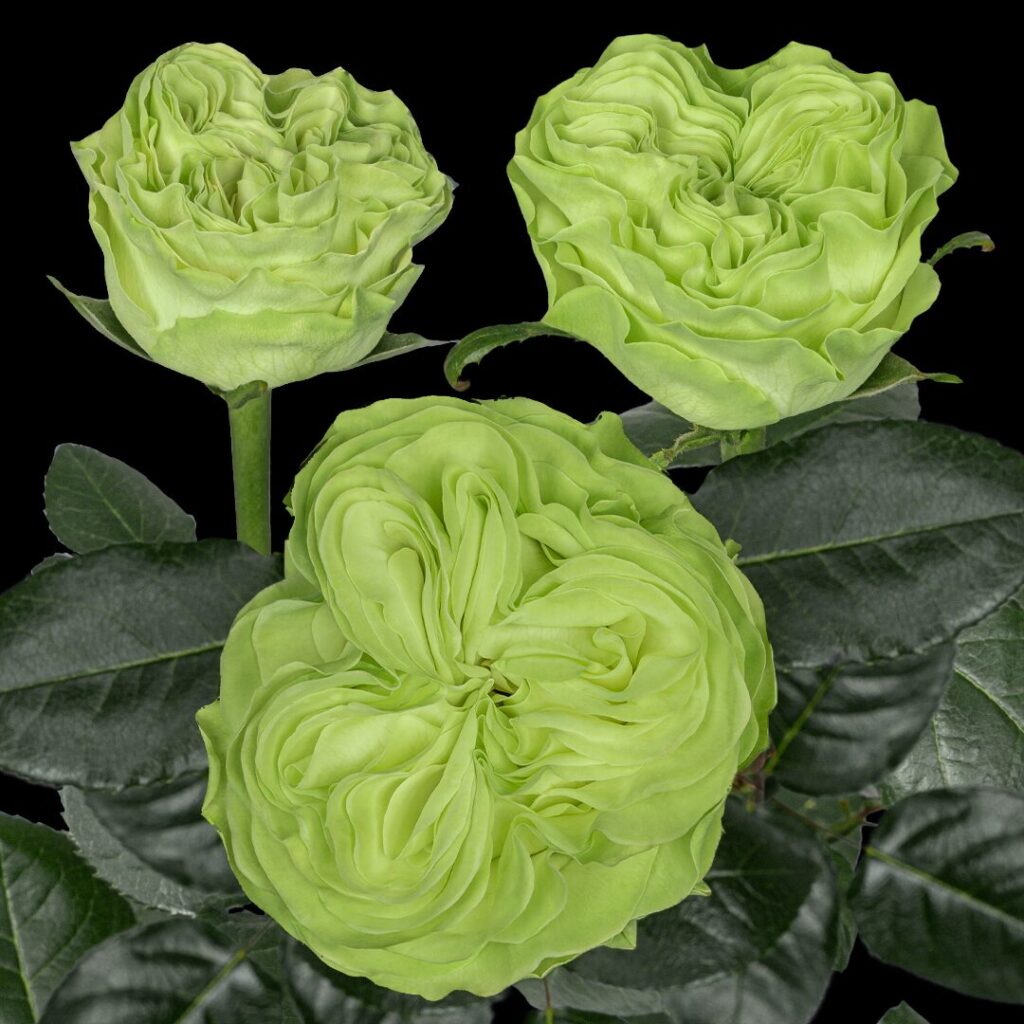
A concrete example of this strategy is the Exotix Collection—varieties that are only just beginning to appear in the international flower market and are still largely unknown to most farms and buyers. Flores Verdes has been producing them for the past three years.
This time advantage is significant. While competitors are just starting to plant and understand these varieties, Flores Verdes already has years of production experience, refined management protocols, and established commercial relationships with buyers seeking precisely these flowers.
In a market where differentiation is everything, being first with a variety can mean exclusive contracts, premium pricing, and a reputation for innovation that attracts the most sophisticated buyers worldwide.
The Industry Standard: Over 90 Varieties as the Norm
The case of Flores Verdes is not an outlier—it represents the most advanced expression of a broader trend within Ecuadorian floriculture. On average, Ecuadorian farms maintain more than 90 active varieties in production—an extraordinarily high number compared to producers in other regions.
Why so many varieties? Because that is the strategy: continuous innovation, always having something new to offer, and avoiding dependence on a concentrated portfolio that may become vulnerable to shifting trends or market saturation.
Maintaining such a broad portfolio requires significant investment: royalties for varieties, plant material, workforce training, and adaptation of cultivation protocols. Ecuadorian farms have understood that this cost is, in reality, the most important investment they can make to ensure long-term relevance.
The Role of Breeders and Intellectual Property
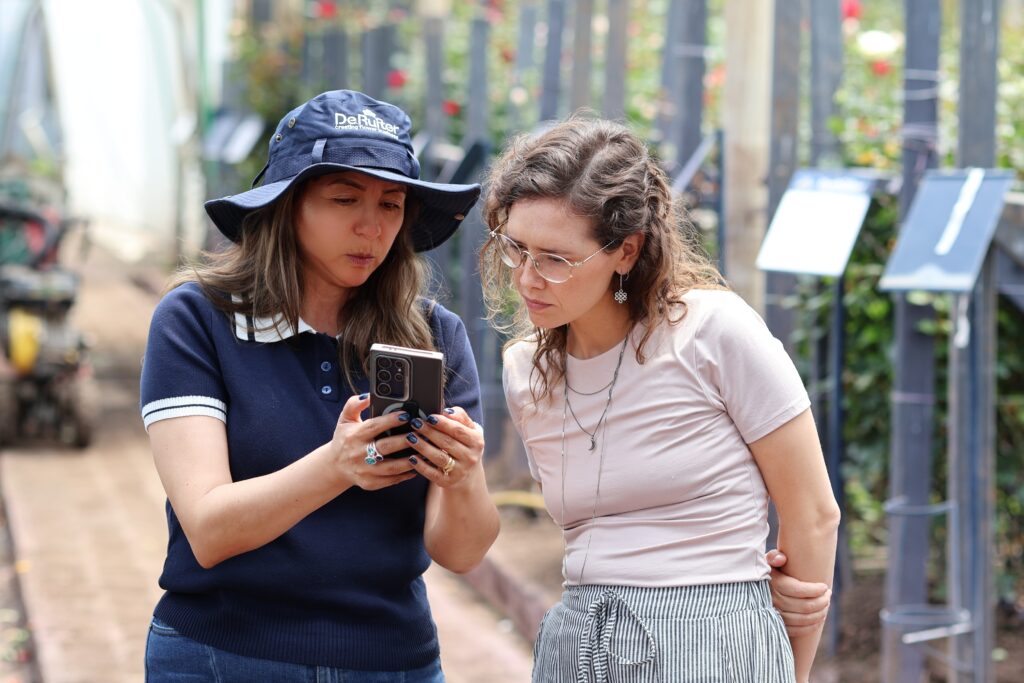
Behind every new variety lies years of work by a breeder: controlled crosses, generational selection, field trials across multiple climatic conditions, and market analysis. Companies like Plantas Continental, Rosen Tantau, De Ruiter, and Genviv invest millions in developing varieties that combine all the traits demanded by the market.
For this ecosystem to function, it is essential that farms respect breeders’ rights and pay the corresponding royalties. Respect for intellectual property is not only a legal obligation—it is the mechanism that ensures continued investment in development, a steady flow of new varieties, and Ecuador’s access to the most advanced genetics in the world.
Partnerships between farms and breeders are the most direct way to access this innovation. These are long-term relationships based on mutual trust and the understanding that the success of one strengthens the other.
Conclusion: Genetics as a Sustainable Competitive Advantage
Ecuador’s floriculture industry has grasped something that few industries articulate so clearly: true competitive advantage does not lie solely in natural resources—although the Andean altitude and equatorial climate are undeniable geographic privileges—but in the ability to combine those resources with constant innovation.
Floral genetics is where the industry’s most important competition quietly takes place. Each new variety that is more resilient, more beautiful, and longer-lasting reinforces Ecuador’s leadership. Every farm that invests in varietal innovation demonstrates that competing from the forefront is not only possible, but necessary and profitable.
In a world where consumers evolve rapidly, distribution channels transform, and markets become increasingly segmented, one constant remains: those who arrive first with the best product will always have the advantage. And in Ecuadorian floriculture, arriving first begins in a breeder’s laboratory and ends in a consumer’s vase on the other side of the world.
About the Author
Caridad Sáenz is the Editor-in-Chief of Ecuador y sus Flores, a leading international publication dedicated to Ecuador floral industry. Carrying forward a family legacy founded over two decades ago, she has positioned the magazine as an authoritative voice on Ecuadorian flowers, the global flower trade, and cut flower exports. Through her editorial leadership, Caridad highlights the systems, expertise, sustainability initiatives, and innovation that make Ecuador one of the world’s most important flower-producing countries, connecting growers, markets, and industry leaders worldwide.
Published by New Bloom Media
New Bloom Media (NBM) is the first multi-channel B2B media platform dedicated solely to the floral industry across the Americas. Through thought leadership, industry insights, and collaborative storytelling, NBM helps businesses innovate, connect, and thrive.
Want more floral industry insights?
Subscribe to our newsletter for exclusive interviews, market updates, and innovation spotlights delivered straight to your inbox.