


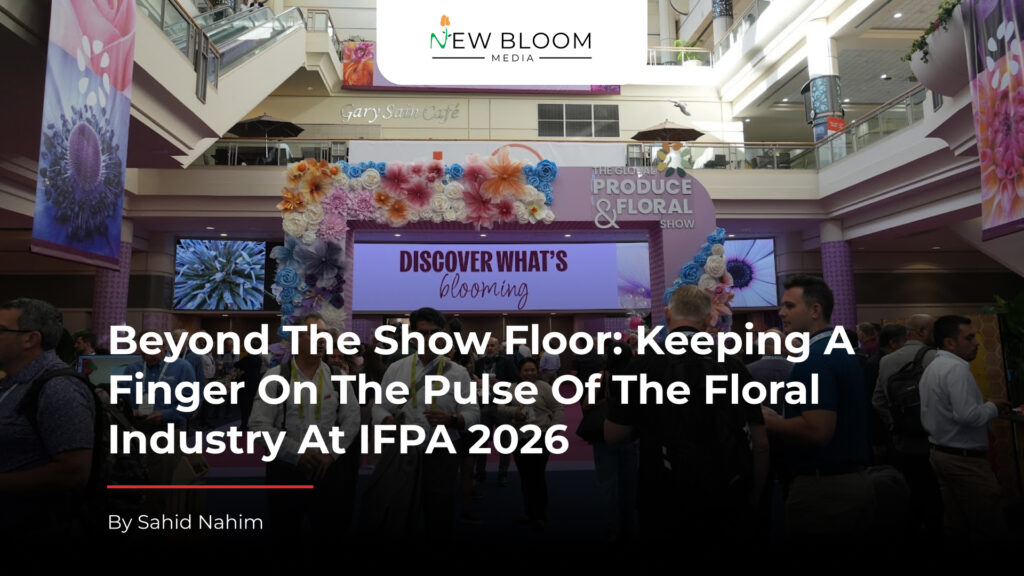
Conversations about consumer trends, changing market expectations, and the opportunities shaping the floral industry’s future.
One of the things I enjoy most about attending industry conventions is the opportunity to connect with people, exchange ideas, and hear firsthand what’s happening across the floral industry.
Events like the IFPA Global Produce & Floral Show bring together businesses from different parts of the supply chain, each with its own perspective on the market. We attend to discover new products and varieties, find potential customers, reconnect with colleagues, and develop business relationships.
But there’s another reason I value these gatherings: they give us an opportunity to understand what other businesses are experiencing and what those experiences might tell us about the future.
Sometimes, the most valuable insights come from a conversation with someone who is dealing with changing customer expectations, production challenges, or new market opportunities every day.
At IFPA 2026 in Orlando, I wanted to make those conversations a central part of my experience.
One Question, Different Perspectives
As I visited booths and connected with industry colleagues, I decided to ask several exhibitors the same question. My goal was to capture what these companies were hearing from their customers and how those observations might influence the floral market in the coming year.
“What is one floral trend you believe will shape consumer buying decisions in 2027, and why?”
I intentionally left the question open so each person could respond based on their customers, their market, and their business experience.
The answers reflected a range of perspectives, and not everyone agreed.
Some focused on changing color preferences and demand for distinctive products. Others discussed consumer purchasing behavior, innovation, production costs, and the evolving expectations of mass-market retailers.
JD Lecuona of Deliflor Americas discussed growing interest in distinctive chrysanthemum varieties, including Ballhias and Santinis, as well as antique-inspired colors finding appeal beyond their traditional seasons.
Mike Henriquez of The Valley Springs emphasized the importance of texture, bouquet construction, and intentional design in creating floral products that stand out.
Bill Prescott of Bloomia shared observations about consumers potentially gravitating toward both value-oriented and premium products, along with the importance of understanding regional preferences.
Other conversations touched on economic pressures affecting flower pricing and production, changing sourcing dynamics, and opportunities throughout the supply chain.
Economic challenges are nothing new to our industry. We’ve experienced difficult market conditions before, and those periods have often required businesses to rethink how they operate, manage costs, and respond to changing demand.
The floral industry has demonstrated its resilience time and again. But resilience doesn’t mean simply waiting for conditions to improve. It also means finding opportunities to innovate, become more efficient, and work more closely with customers and business partners.
What interested me most wasn’t necessarily which prediction would prove correct in 2027. It was how differently each person viewed the market depending on the customers they served and the challenges they encountered.
Those differences are worth paying attention to.
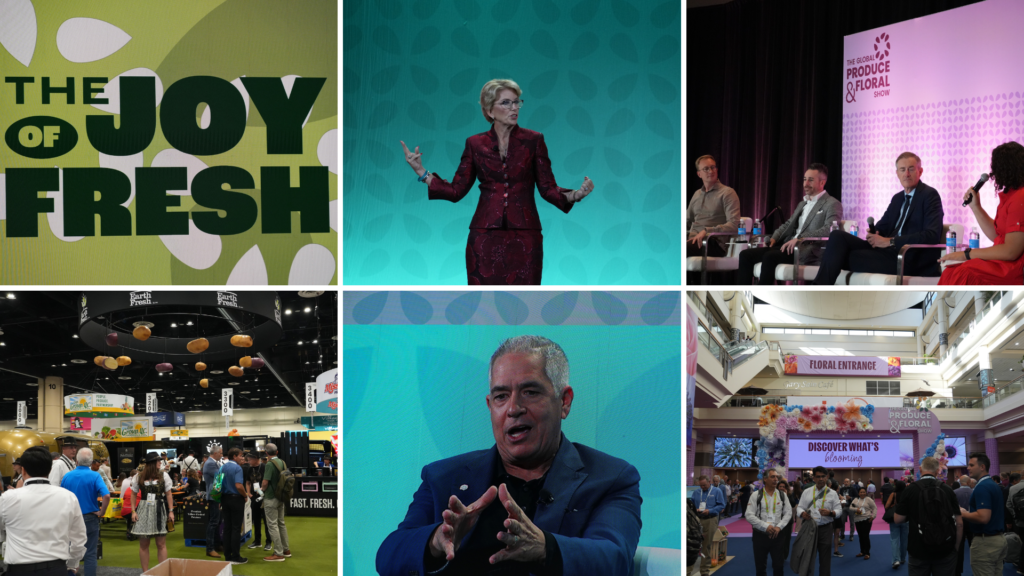
Photo Credit: Photographs featured here are courtesy of Williee Armellini of Flowers and Cents.
Understanding What’s Happening Beyond Our Own Businesses
We can become so focused on our individual companies, customers, and daily responsibilities that we don’t always have the opportunity to understand what’s happening elsewhere in the supply chain.
A breeder may hear about changing variety preferences several years before those products become widely available.
A grower may experience production pressures that eventually influence product availability and pricing.
A bouquet manufacturer may notice changes in supermarket requirements, while a retailer may be responding to shifts in consumer purchasing habits.
Each business sees a different part of the market.
And because those experiences don’t always reach other sectors, we can miss information that might help us anticipate challenges or recognize opportunities.
That’s one reason I found the responses to my question so interesting.
A trend that matters to a breeder may have different implications for a grower, wholesaler, or retailer. Likewise, consumer preferences can vary by region, demographic, and purchasing occasion.
We shouldn’t expect everyone to identify the same trends or agree on what will happen next.
Instead, I believe there’s value in understanding why their perspectives differ.
For floral businesses, that broader understanding can influence everything from product development and purchasing decisions to sales strategies and customer communication.
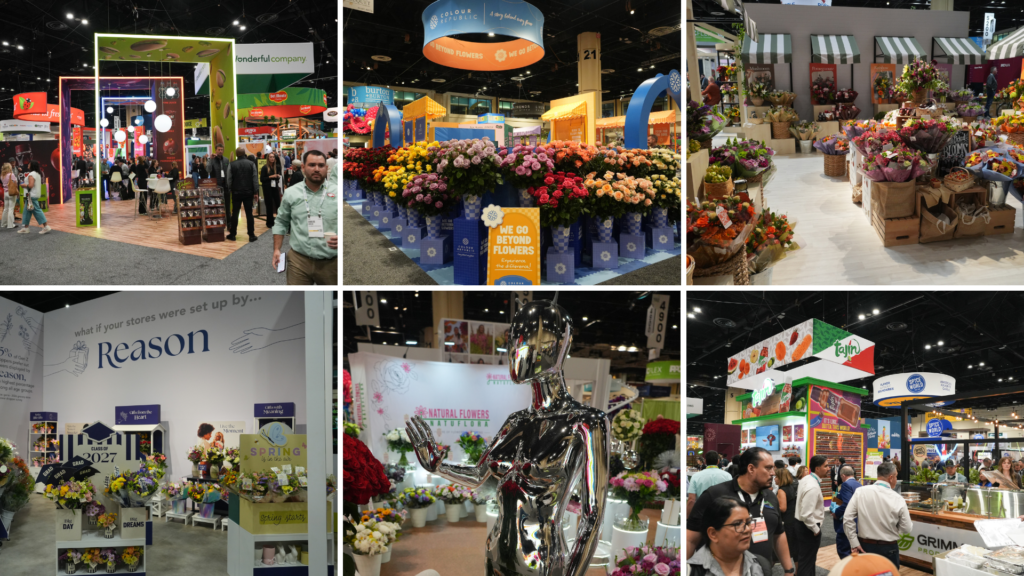
Photo Credit: Photographs featured here are courtesy of Williee Armellini of Flowers and Cents
From Suppliers to Business Partners
Another important subject that came up during my conversations was the relationship between suppliers and mass-market customers.
Retailers are looking for more than a good product and a competitive price. They also need suppliers who understand their businesses, communicate effectively, share useful information, and help them respond to their customers’ expectations.
For years, I’ve said that a customer is not a means to an end. They are our partners.
That philosophy becomes especially important when market conditions are changing.
Quality, logistics, and consistency remain essential. But our responsibility shouldn’t end when the product is delivered.
We should also be asking how we can help our customers succeed.
What challenges are they facing? What information would help them make better purchasing decisions? How can we support their efforts to improve sales and encourage greater floral consumption?
Instead of focusing only on how we can sell more flowers to our customers, perhaps we should be asking:
“How can we help our customers sell more flowers to their customers?”
For growers, wholesalers, bouquet manufacturers, and other suppliers, that question can change how we approach customer relationships.
It encourages us to think about the entire business relationship, including how our products perform, how they’re presented, and whether we’re helping customers meet the expectations of the people they serve.
When our customers succeed, we have a stronger foundation for growing together.
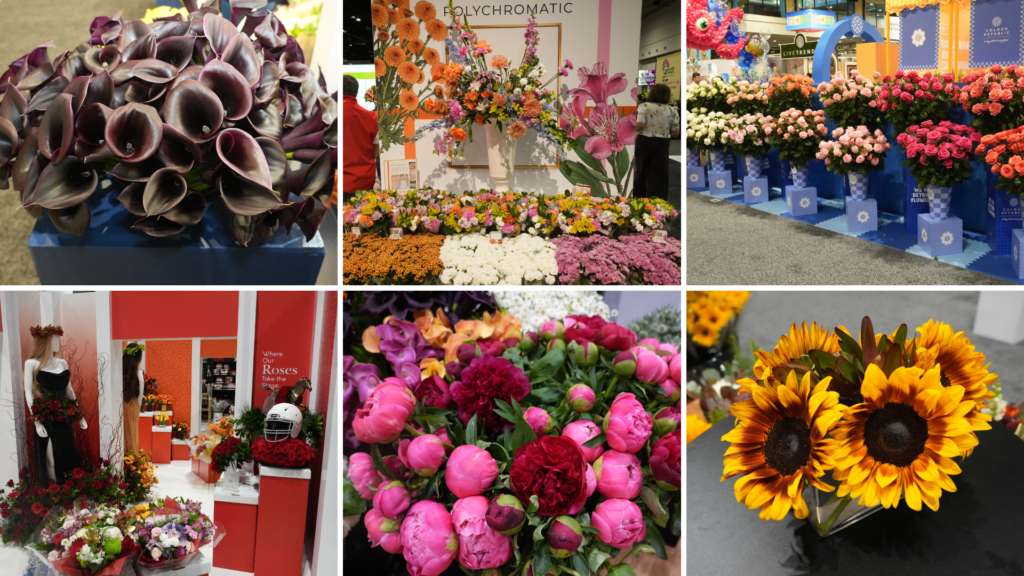
Photo Credit: Photographs featured here are courtesy of Williee Armellini of Flowers and Cents.
Education, Information, and Advocacy
Beyond my conversations with exhibitors, IFPA also provided an opportunity to consider the broader issues affecting our industry.
Educational sessions and industry presentations offer perspectives that individual businesses may not encounter in their daily operations. And because IFPA brings the produce and floral sectors together, there’s also an opportunity to learn from businesses facing similar challenges in areas such as logistics, labor, consumer demand, and retail operations.
One resource I always look forward to is IFPA’s annual floral trends research.
Research into consumer behavior, purchasing habits, and market opportunities can help businesses compare what they’re experiencing with developments across the wider market.
I’m particularly interested in seeing how future findings compare with the perspectives shared during this year’s convention.
Another important subject is advocacy.
During a conversation with Katie Bloome of IFPA, she shared that more members are recognizing and appreciating the value of the association’s advocacy efforts.
I believe that recognition is important.
Issues involving labor, trade, transportation, and regulations can have significant consequences for businesses throughout the floral supply chain. These are challenges that individual companies may find difficult to address on their own.
Industry associations such as IFPA play an important role in representing their members and bringing attention to issues that affect the businesses they serve.
But effective advocacy also depends on participation.
The more engaged businesses become in their associations, the better those organizations can understand their members’ priorities and represent their interests.
For me, this is an important reminder that the value of an industry association extends beyond its conventions. Education, research, and advocacy all contribute to helping businesses navigate a changing market.
The Relationships Behind the Conversations
Of course, none of these conversations would be possible without the relationships that bring our industry together.
Mike of The Valley Springs, who has been attending IFPA for approximately eight or nine years, also spoke about the importance of relationships and consistency.
It’s a point I strongly agree with.
After more than 20 years in the floral industry, I’ve seen how much value comes from maintaining relationships with people across different businesses and sectors.
Those relationships make it easier to exchange information, understand one another’s challenges, and recognize opportunities that might otherwise go unnoticed.
And that’s something I continue to appreciate about attending conventions like IFPA. A conversation that begins with a question about consumer trends can lead to a much broader discussion about business, customers, and the future of our industry.
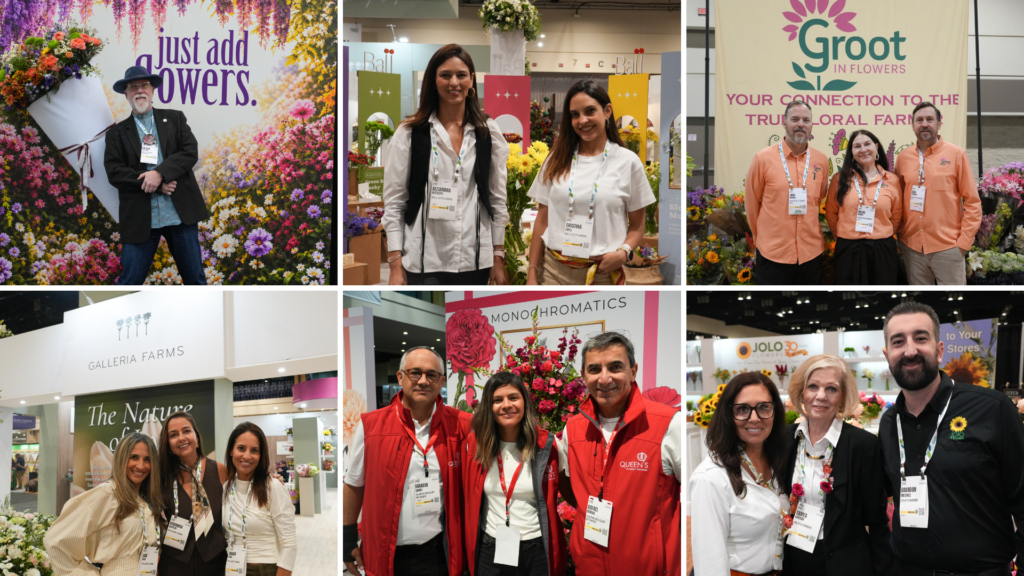
Photo Credit: Photographs featured here are courtesy of Williee Armellini of Flowers and Cents.
My Takeaway: The Value Goes Beyond the Booths
After attending IFPA 2026, I didn’t walk away believing that one particular color, variety, or product would define the floral industry in 2027.
Instead, I left with a better understanding of the different opportunities and challenges businesses are seeing across the floral supply chain.
Some are focused on product innovation and changing consumer preferences. Others are navigating economic pressures, adapting to retailer expectations, or looking for better ways to support their customers.
All of those perspectives matter.
And while we can’t predict exactly how the market will develop, we can make an effort to understand the factors influencing it.
That’s what I wanted to accomplish by asking exhibitors the same question. Not to identify a single winning trend, but to hear how different businesses are interpreting the market and what they believe deserves attention.
For me, this also reflects an important part of New Bloom Media’s purpose: connecting different sectors of the floral industry, sharing relevant perspectives, and helping businesses better understand the developments that may influence their decisions.
I want to thank everyone who took a few minutes to share their thoughts with me during IFPA 2026 and congratulate the IFPA team on bringing the industry together for another valuable convention.
The conversations don’t have to end when we leave the convention. In many ways, that’s when we have the opportunity to put what we’ve learned into practice.
And now I’d like to ask the rest of our industry: What is one floral trend you believe will shape consumer buying decisions in 2027, and why?
I’d love to hear your perspective.