

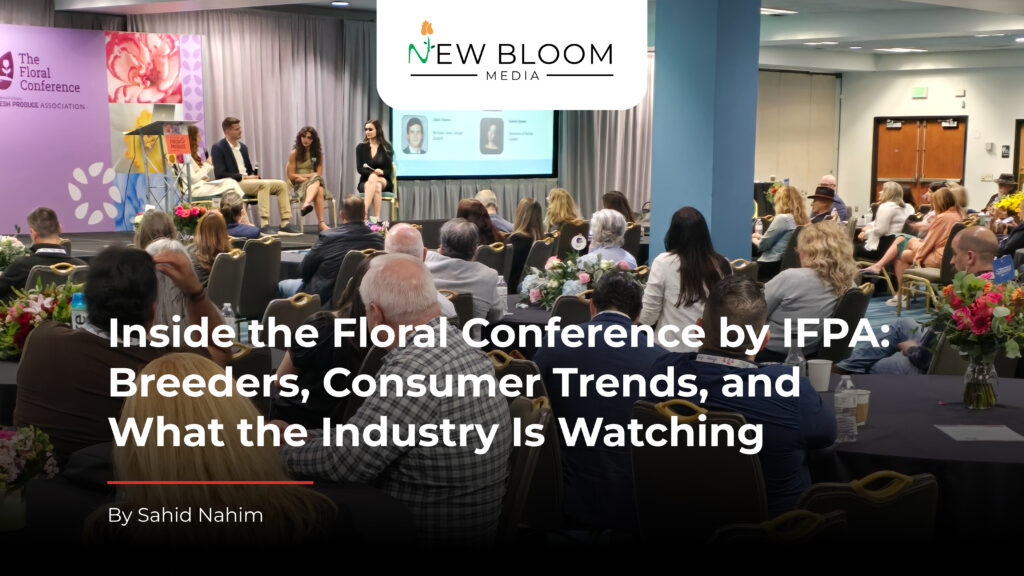
I had the pleasure of attending The Floral Conference hosted by the International Fresh Produce Association (IFPA) in Miami, Florida, right in the Brickell area.
This event is unique in the sense that it is highly breeder-focused and mass-market-focused, while still welcoming growers, distributors, importers, and other floral professionals from across the supply chain. I noticed a strong presence from breeders throughout the event, with dedicated time and space for showcasing genetics, varieties, and innovation, followed by a full day packed with presentations, research, and panel discussions.
The blog below is simply a snapshot of what I took away from the experience — a few of the themes, trends, and observations that stood out to me, along with my own interpretations as someone working closely with the North American floral market. There was real value in many other conversations and presentations throughout the event that you simply had to be there to fully absorb. Enjoy.
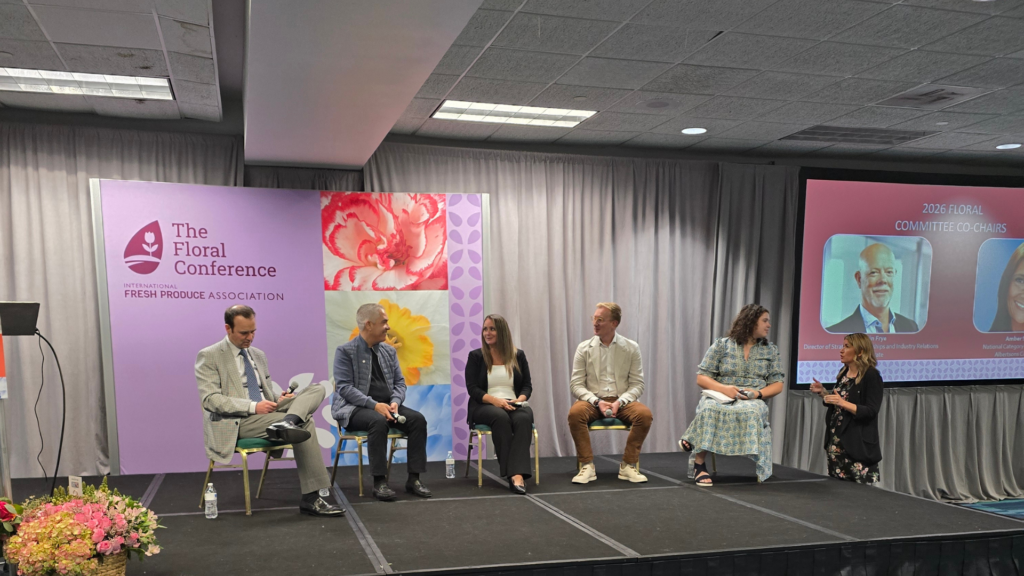
A Room Focused on Genetics, Innovation, and Future Opportunity
One major theme repeated throughout the event was this: Flowers and plants clearly create emotional and wellness benefits for consumers, but the challenge is getting more Americans to begin purchasing flowers for themselves consistently.
Several presentations focused heavily on consumer data, especially around self-purchasing behavior.
According to slides presented during the conference:
- U.S. monthly self-purchase rates are steady
- Opportunity for micro holidays
- Existing self-purchasers often cite:
- mood improvement
- wellness
- home décor
- emotional well-being
One slide summarized it this way:
The wellness pitch is working — on the converted.
That line seemed to resonate throughout the room.
The Industry May Need to Focus Less on Emotion — and More on Habit
Another major discussion centered around behavioral science and habit formation.
One of the key ideas presented was that flowers and plants may behave similarly to other lifestyle products: once consumers begin engaging regularly, many continue purchasing because the experience becomes part of their routine.
The discussion suggested that:
- Repeat engagement tends to build attachment,
- Attachment strengthens emotional connection,
- And consistency matters more than novelty.
In other words:
The industry challenge may not be loyalty — it may simply be lowering the barrier to trial.
The Opportunity Hidden Inside Cultural Buying Habits
One observation I personally took away from the conference — and this is my own interpretation from the discussions and data shared — is that there may be hidden opportunities within cultural and demographic buying behavior inside the United States.
Several international markets were referenced throughout the day, including countries such as:
- Germany
- The United Kingdom
- Brazil
- China
These countries were highlighted in conversations around stronger floral purchasing habits and a more normalized flower-buying culture.
That made me think about something important:
The United States is an extremely diverse country made up of concentrated cultural communities and regional demographics. If certain nationalities and cultures already have stronger traditions tied to flower purchasing, gifting, celebration, and home decoration, there may be opportunities to market more intentionally toward those communities — through culturally inspired bouquet programs, regional merchandising, neighborhood-focused promotions, or themed floral collections tied to cultural familiarity. This is actually part of the thinking behind the micro-holiday calendar we developed at New Bloom Media. If the growth opportunity lives inside culturally relevant moments throughout the year, then mapping those moments intentionally is a real strategy — and one we genuinely believe in.
For example:
- Culturally inspired bouquet programs,
- Regional merchandising,
- neighborhood-focused promotions,
- Or even themed floral collections tied to cultural familiarity.
Again, this is my personal observation inspired by the broader discussions at the conference — not a direct statement from the presenters — but it felt like an important strategic angle worth exploring.
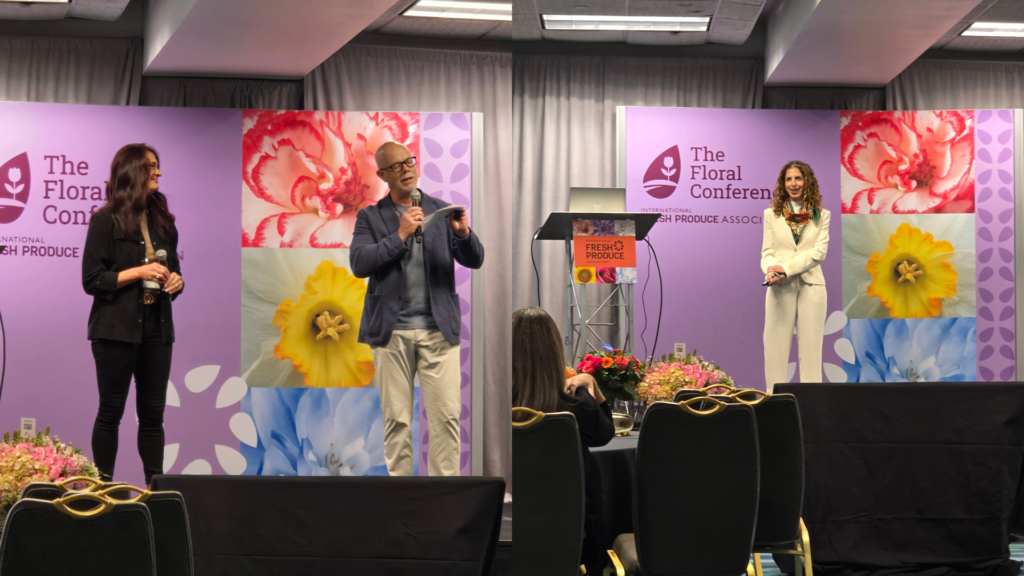
What This Means for Growers, Breeders, and Distributors
Several presentations also focused on what these trends could mean upstream for the floral supply chain.
Some of the broader themes discussed included:
- For Growers
- Everyday floral consumption may represent a larger long-term opportunity than relying only on holiday peaks.
- Smaller-format bouquets and longer-lasting products could become increasingly important.
- For Breeders
- Vase life and longevity were repeatedly discussed as major priorities.
- Genetics that support durability, consistency, and lower-friction consumer experiences may become more valuable.
- For Distributors and Importers
- Demand patterns could gradually become more routine-driven rather than only holiday-driven.
- Weekly floral rhythm and everyday merchandising may continue growing in importance.
One message that seemed consistent:
The growth opportunity may be found in everyday floral behavior — not only in major holidays.
Breeder Innovation Continues to Impress
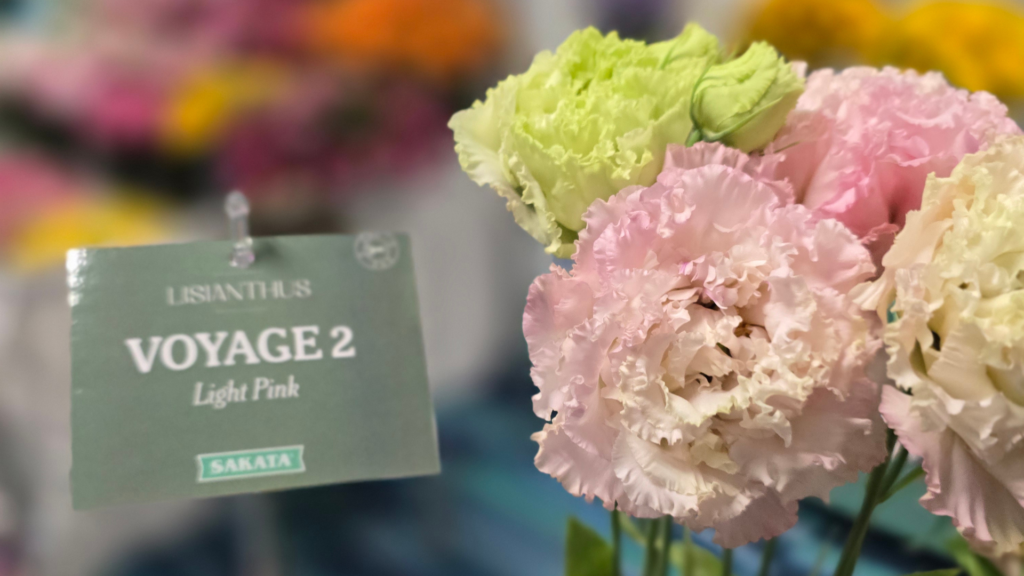
One of my favorite parts of the event was spending time looking at new varieties and breeder displays.
The level of creativity, texture, color development, and shape innovation across the breeder community continues to evolve rapidly.
Some standout observations included:
- heavily textured garden-style roses,
- specialty chrysanthemums,
- unique color tones,
- and vibrant novelty varieties.
Packaging, Merchandising, and Retail Were Also Major Topics
Another important area discussed throughout the presentations involved:
- packaging,
- retail merchandising,
- consumer convenience,
- and positioning flowers within daily routines.
Some recurring ideas included:
- grab-and-go formats,
- reusable containers,
- home décor positioning,
- and merchandising flowers alongside everyday shopping behavior rather than isolating them only as gifts.
The idea of “ongoing presence” appeared multiple times.
Rather than relying only on major emotional holidays, the conversations suggested that consistent visibility and routine integration may ultimately expand the floral category in the long term.
Final Thoughts
Overall, I thought The Floral Conference by IFPA created a very thoughtful environment for discussion and reflection.
The event brought together breeders, marketers, growers, distributors, retailers, and solution providers into one room to discuss where consumer behavior may be heading and how the industry can adapt together.
One of the strongest takeaways for me personally was this:
The science behind flowers, plants, wellness, and emotional impact seems increasingly clear.
The bigger question may now be:
How the floral industry lowers barriers, creates habits, improves accessibility, and integrates flowers more naturally into everyday life.
Thank you to IFPA, the organizers, presenters, breeders, and attendees who contributed to the conversations throughout the event.
The floral industry continues to evolve — and conferences like this help move the discussion forward.