

A practical way to see earlier, think clearer, and operate with more control
When people talk about trends in floristry, the conversation usually starts with flowers.
What’s in.
What’s out.
What colors are coming next.
By that point, the real work is already done.
Trends don’t begin with flowers.
They start earlier, in how people are living.
In what they’re feeling.
What they’re reacting to.
What they’re moving toward.
And what they’re leaving behind.
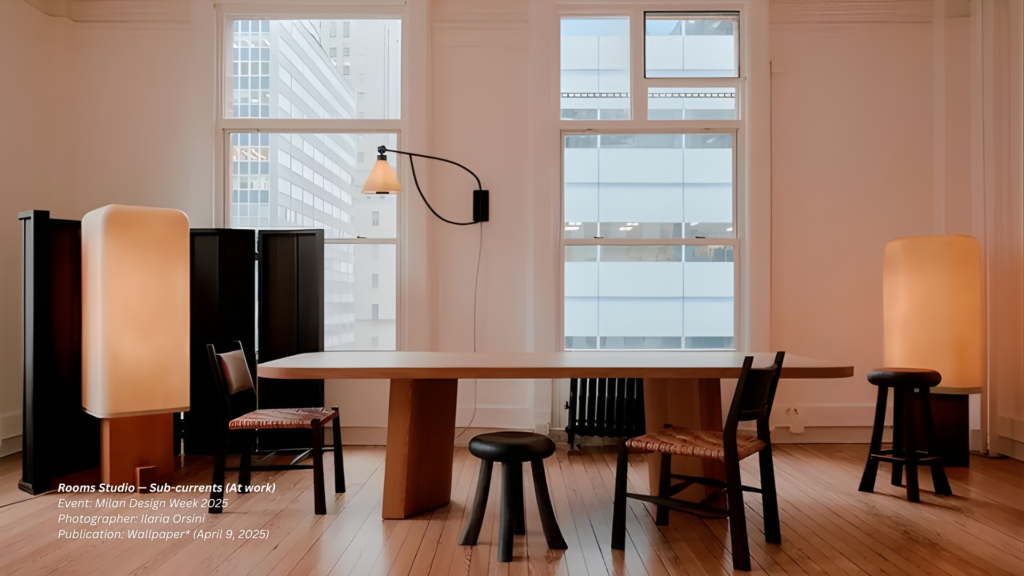
You see those shifts first outside of floristry. In fashion. In interiors. In hospitality. In the way spaces are designed and how people present themselves.
None of it is random. It reflects the same underlying pressures shaping how people want to feel and how they want to live.
When enough of those industries begin moving in the same direction, something starts to take shape.
Not a trend yet.
But a signal.
Where to Look
If you want to get better at forecasting, you need to change what you pay attention to.
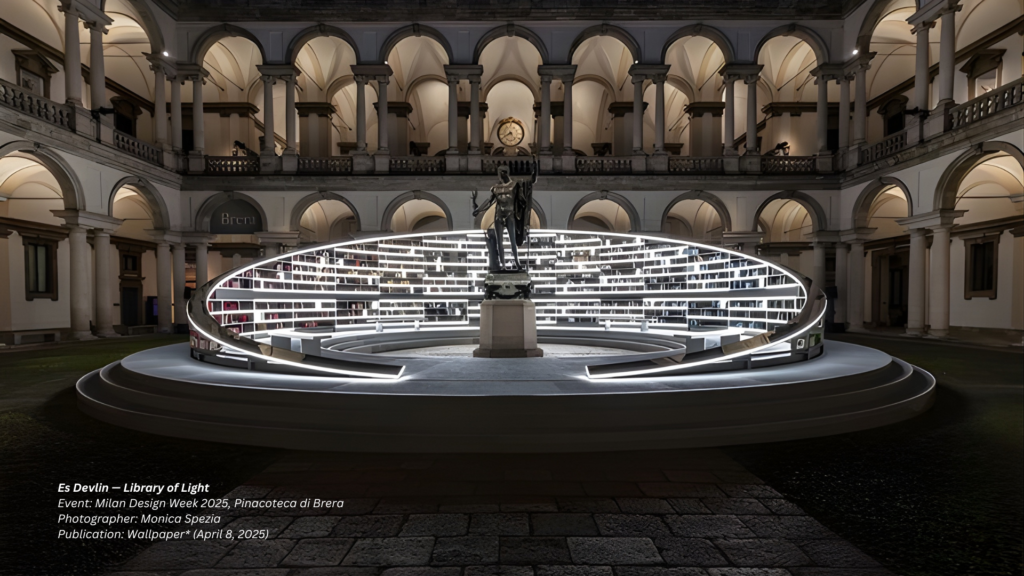
Start with moments where things are most visible. Awards shows, public events, global stages. Not to see what’s being declared, but to notice how things are showing up.
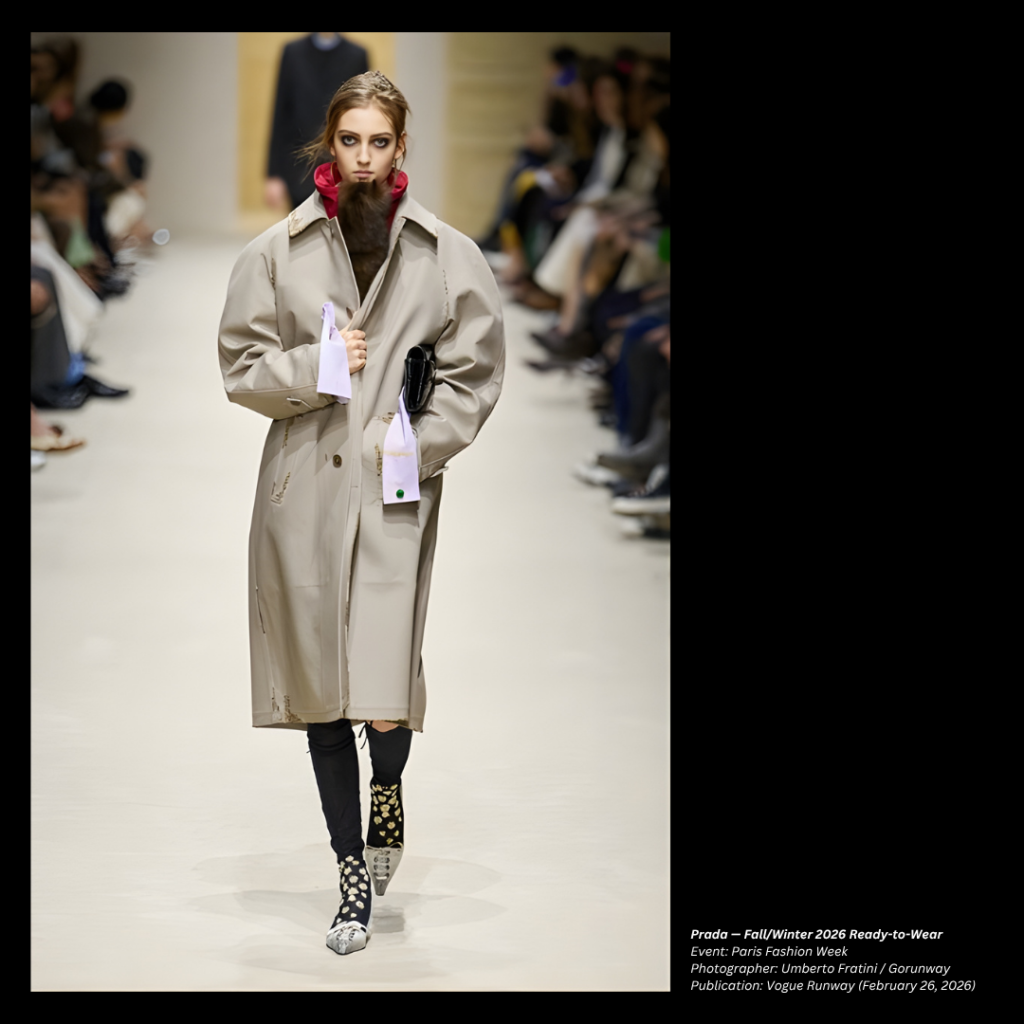
Watch how people present themselves.
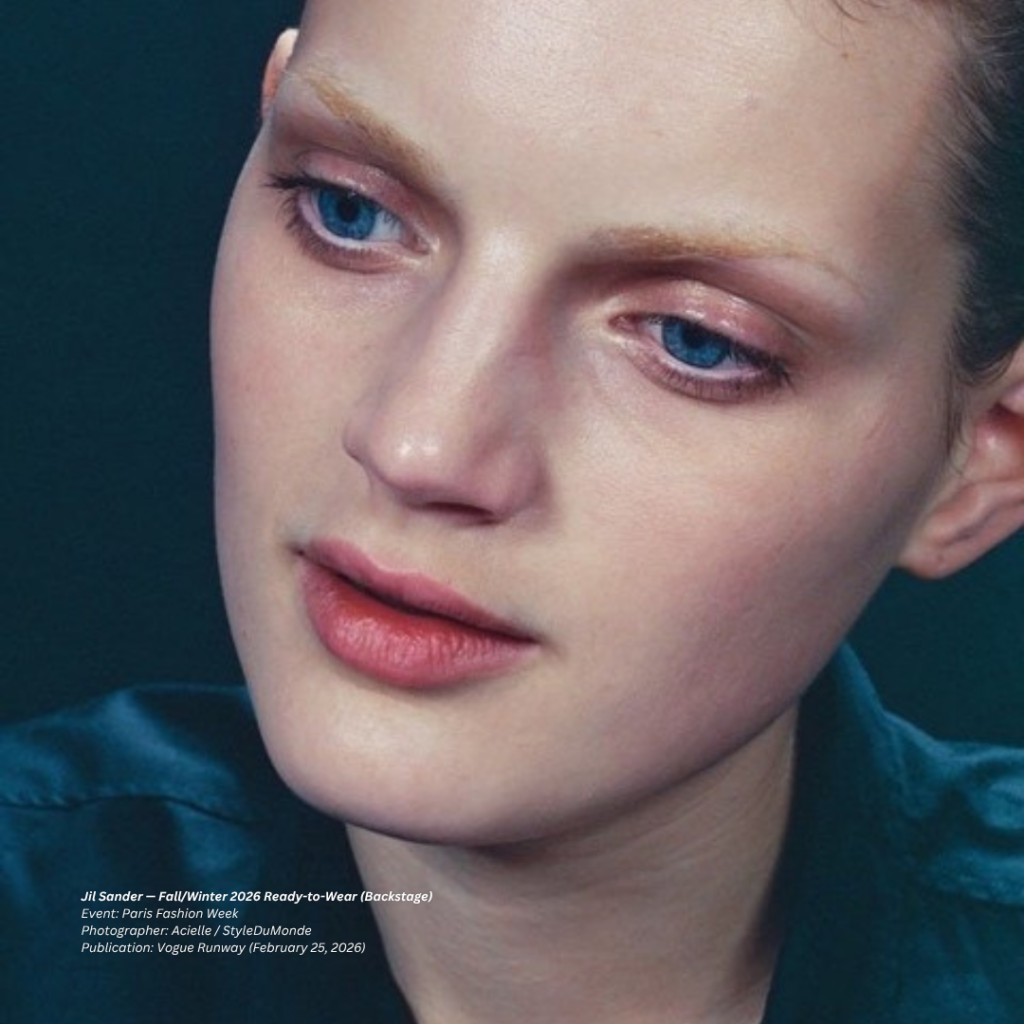
Are things becoming softer and more relaxed? Or more controlled and structured?
Look at environments. Hotels, restaurants, retail spaces, exhibitions. Not just what they look like, but how they feel.
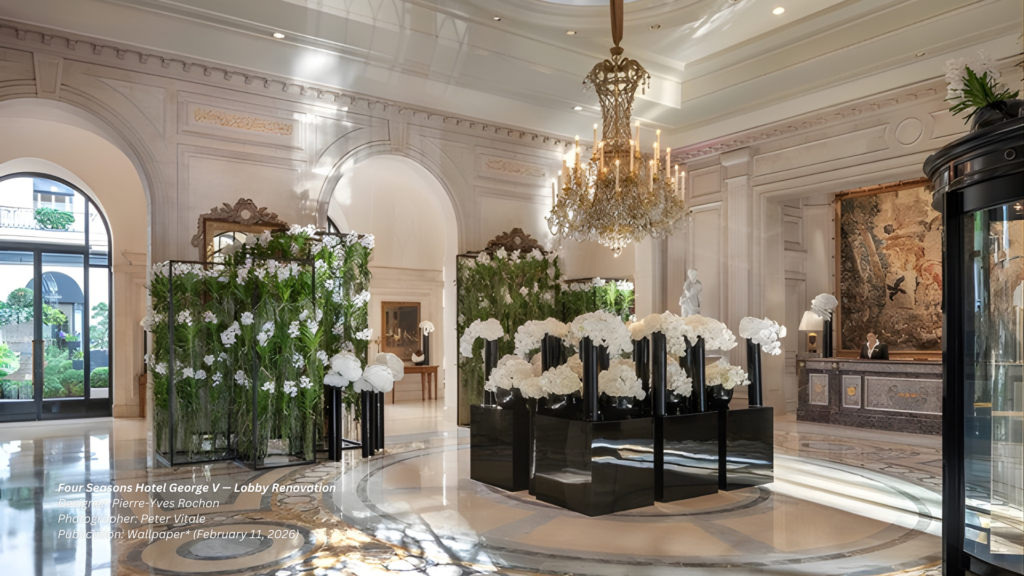
Are they layered and immersive, or pared back and intentional?
Then widen the lens.
Compare what’s happening across regions. Europe, Asia, North America. The materials may change. The execution may shift. The underlying feeling often lines up.
Pay attention to language as well. Not just what people are showing, but how they’re describing it. Certain words recur. Comfort. Escape. Control. Expression. Restraint. Abundance.
Those words matter. They point to what people are responding to long before it shows up in product.
When similar behavior and language begin to repeat across places that have nothing to do with each other, something is forming. No announcement. No headline. Just multiple parts of the world responding to the same conditions at the same time.
How It Shows Up in Floristry
By the time those signals reach floristry, they don’t arrive as signals.
They arrive as requests.
A client walks in. A planner calls. A bride sends an image. It feels like the trend just appeared.
It didn’t.
It has been building for a while. What we see is the result.
This is where floristry operates differently from most other industries.
If something takes off in fashion or home goods, production increases. Supply adjusts.
Flowers don’t work that way.
They require growing. Timing. Cutting. Shipping. Held within a narrow window. Then they’re gone.
When demand spikes, the industry can’t simply catch up.
That gap has only widened.
What Social Media Changed
Social media didn’t create trends, but it changed how they move.
What used to spread gradually now moves almost instantly. One image, one look, one idea can move across an entire market in days.
That creates concentration.
Instead of a slow shift in demand, you get a surge. Hundreds, sometimes thousands of people moving in the same direction at the same time.
Supply can’t keep up.
The pattern is familiar.
Availability tightens.
Prices move.
Quality shifts.
Substitution becomes part of the process.
From the client’s side, it should be possible. They’ve seen it. From the industry side, the limits are real.
A small percentage of clients will always fixate on a specific flower. That’s not where the opportunity sits.
The opportunity is in understanding what’s behind the request.
The Shift That Matters
At some point, the focus necessarily shifts away from the flower itself and toward what it represents.
Trends don’t begin when you recognize them. They begin when something starts repeating.
Not in one place, but across places that don’t connect.
A shift in how people dress.
A similar shift in how spaces are designed.
Then again in how events are styled.
That’s the moment to pay attention.
Repetition comes before recognition.
From there, the question becomes: what’s changing?
Are people simplifying? Pulling back? Looking for comfort?
Or moving toward something more expressive, more layered, more emotional?
Behavior shifts first. Emotion follows, or sometimes the reverse. Flowers sit right in the middle of that exchange. They reflect how people want to feel and how they want to show that feeling to others.
If your focus stays inside the floral industry, you’re already behind. By the time something appears on social media or in a product list, it has already been filtered.
Look outside.
Watch how spaces are built.
Notice what materials are showing up.
Pay attention to how people move through environments.
Take in how those environments feel.
When those elements begin to line up, even slightly, something is forming.
That’s where the decision sits.
Wait until it’s obvious.
Or adjust earlier.
What This Changes
So, what does forecasting change?
It changes timing.
Instead of reacting once demand is clear, decisions begin earlier.
Before availability tightens.
Before pricing peaks.
Before expectations lock in.
That shift affects how product is approached.
How designs are built.
How value is communicated.
How conversations with clients unfold.
Once something becomes obvious, it’s no longer a signal. It’s pressure. And pressure limits options.
The advantage isn’t in naming the flower.
It’s in understanding what that flower stands for and delivering that idea in a way that still works within season, availability, and reality.
The floral industry will never move at the speed of demand. It can’t. The people working inside it can move earlier.
That’s where the difference shows up.
Not in style, but in timing.
Not in product, but in interpretation.
Between reacting and directing.
Between waiting for the request and preparing before it arrives.
What Forecasting Really Is
Forecasting in floristry isn’t prediction.
It’s positioning.
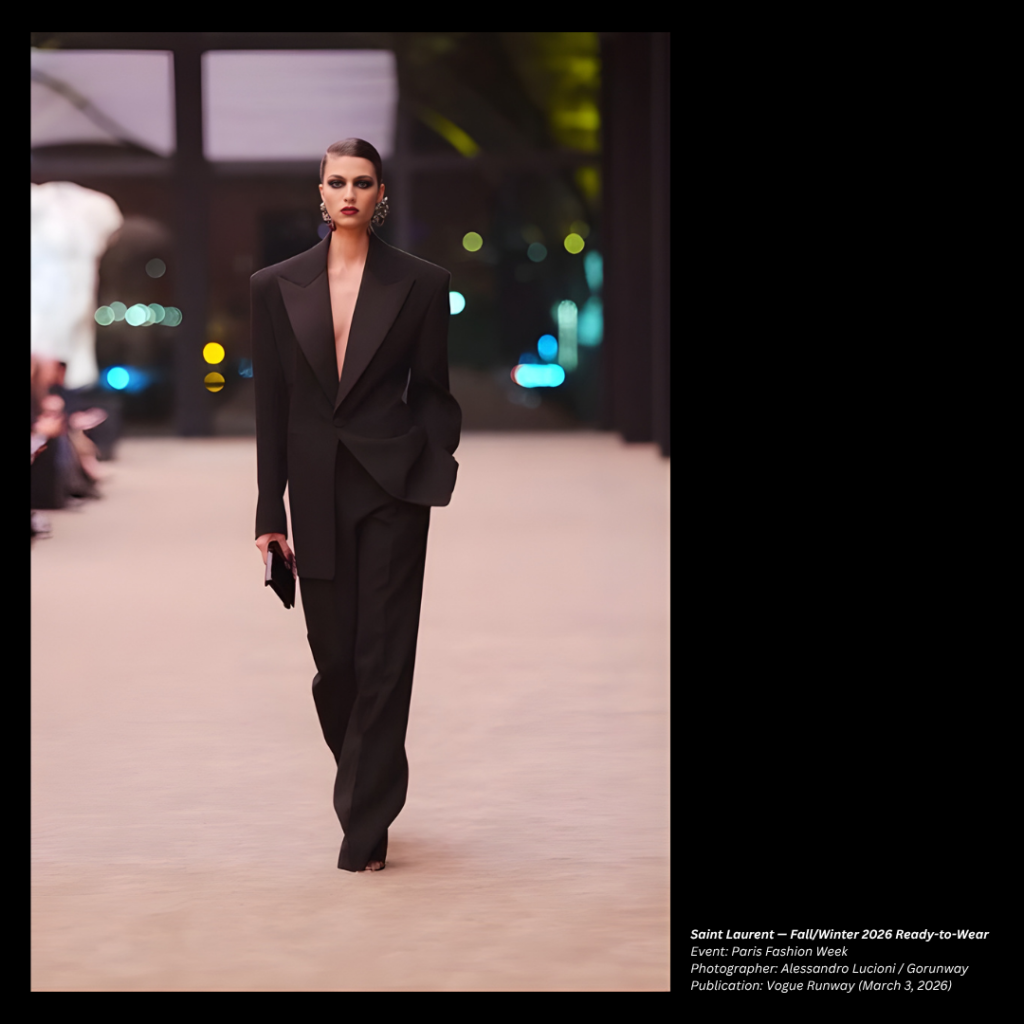
It’s seeing where things are heading, understanding why, and aligning your business before the pressure hits.
Because in the end:
Trends don’t belong to the people who see them first…
they belong to the people who understand them early.
About the Author
Bill Schaffer is a third-generation floral designer celebrating 100 years of family legacy in the floral industry. With over three decades of experience, he is known globally for his work in trend forecasting, product development, and large-scale event design. Alongside his wife and creative partner, Kristine Kratt, Bill has collaborated on exhibitions and educational events across Europe, the Americas, and Asia. As a longtime Project Consultant for the GEMS Group, he has helped shape innovation in mass-market bouquets and floral design. His installations have earned international recognition, including serving as the first Legacy Exhibitor at the Philadelphia Flower Show and the inaugural lead floral designer for the Oman Flower Festival. In 2026, Bill and Kris will appear as featured floral artists at Floralien Ghent in Belgium.
Published by New Bloom Media
New Bloom Media (NBM) is the first multi-channel B2B media platform dedicated solely to the floral industry across the Americas. Through thought leadership, industry insights, and collaborative storytelling, NBM helps businesses innovate, connect, and thrive.
Want more floral industry insights?
Subscribe to our newsletter for exclusive interviews, market updates, and innovation spotlights delivered straight to your inbox.