


When business is moving, orders are flowing, and customers keep coming in, marketing often feels like something you’ll “get to later.”
And then, eventually, a familiar question surfaces:
“Why doesn’t our marketing feel consistent or effective?”
“Why aren’t more of the right customers responding?”
It’s a fair question. But often, it’s not the right one.
Because in most cases, the challenge isn’t effort, creativity, or even budget — it’s the absence of a marketing playbook, clear direction, and intentionality.
A Realization That Changed How I See Our Industry
Before starting my own business, I had the opportunity to work alongside teams at companies like Esmeralda and Royal Flowers — organizations well known in our industry for their marketing presence and scale. That experience, combined with my background rooted in grassroots, relationship-driven marketing, gave me an early look at how strategy, consistency, and structure actually show up inside real businesses.
Over the past five years, as I built my own company and worked across different sectors of the floral industry, those early lessons stayed with me. But it was over the couple of years, while working more intentionally as a fractional CMO ( Chief Marketing Officer) with companies of varying sizes, that a clear pattern emerged:
The floral industry continues to grow and innovate.
But it has the potential to grow much more when marketing is approached with a clearer structure, a shared language, and an intentional direction.
Sitting inside leadership conversations, guiding real marketing decisions, and seeing what consistently created momentum (and what consistently caused friction) reinforced one core insight:
When companies take the time to align their messaging, audience understanding, and internal clarity, growth becomes more intentional and more scalable.
The floral industry is full of passionate, capable businesses.
Not lacking heart.
Not lacking care.
What’s often missing is structure and intentional marketing.

Why This Became Clear When Working With Media Partners
As I built New Bloom Media and began working across the supply chain (with florists, farms, wholesalers, distributors, logistics providers, and industry organizations), one pattern kept appearing, especially as companies signed on as media partners with the goal of growing their customer base.
Businesses were investing time and money into marketing, but without a clear guide or direction to support it.
Without a marketing playbook, marketing becomes reactive, and it becomes a guessing game.
With one, it becomes intentional.
This realization is what led me to pause media execution with some partners and first help them establish clarity — so that their media investment could actually work.
A Common Misunderstanding (And It’s Understandable)
When I ask businesses if they have a marketing playbook, I often hear:
“We do — we have our logo, colors, and fonts.”
That’s completely understandable.
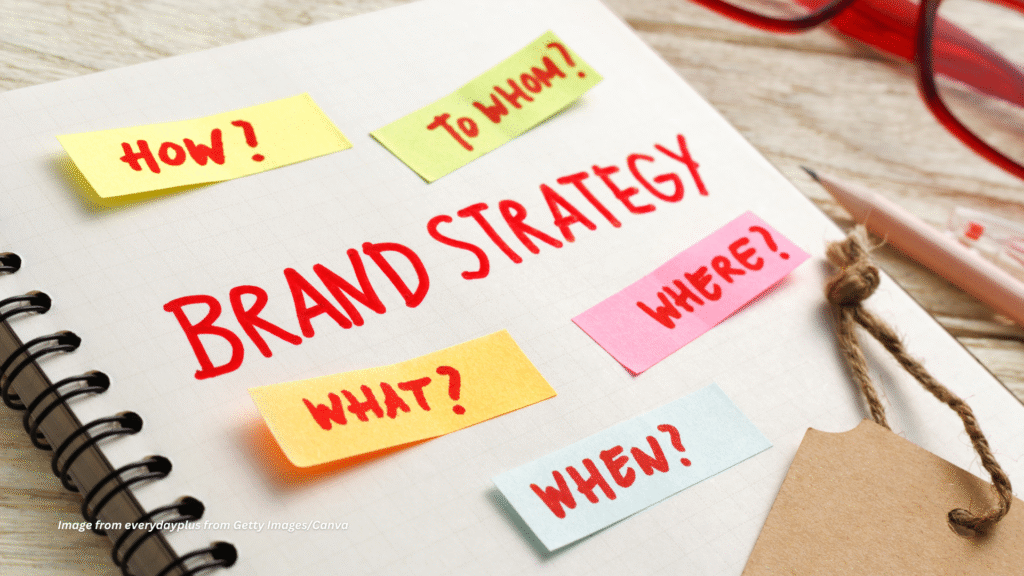
But a marketing playbook is not just a brand guide.
Those visual elements matter, but they’re not the foundation.
A floral company marketing playbook is where the clarity of your company lives.
It helps define:
- Who are you speaking to
- How you want to sound
- What problems do you solve
- Why someone should choose you
It becomes the internal reference point for marketing, sales, hiring, and growth.
Why Structure Matters (There’s Data Behind This)
This isn’t just theory — it’s measurable.
- Companies with consistent brand messaging see revenue increases of up to 10-20%
- Businesses that clearly define customer personas achieve 2–5× higher marketing ROI
- Organizations with a clear mission and values experience higher employee and customer engagement and retention.
Clarity doesn’t make marketing louder. It makes it more effective.
This Applies to Every Sector in the Floral Industry
This is important to say clearly.
This applies whether you are:
- A florist marketing to consumers
- A farm marketing to wholesalers or supermarkets
- A wholesaler marketing to retail or event florists
- A distributor or logistics company marketing to growers and buyers
- A supplier or service provider marketing to the trade
No two customers are the same — even within the same category.
- Consumers buy flowers for different reasons, occasions, and emotions.
- Wholesalers buy based on different operational pressures and customer bases.
- Distributors, supermarkets, and logistics partners all define value differently.
A floral industry marketing playbook helps you understand those differences — and communicate accordingly.
“My Customer Is a Florist” (or Consumer, or Wholesaler) — Still Too Broad
Just like “consumers” aren’t one group, neither are:
- Florists
- Wholesalers
- Distributors
- Supermarket buyers
Within each group are multiple customer types, each with:
- Different pain points
- Different priorities
- Different buying behaviors
- Different expectations
- Different budgets
When messaging tries to speak to everyone the same way, it often connects deeply with no one.
A marketing playbook brings focus — without limiting reach.
Why “Quality, Logistics and Service” Aren’t Enough (Even Though They Matter)
I speak with many companies across the floral industry — and I also interview them regularly. When I ask one specific question, I receive the same answer nearly 90% of the time.
The question is simple:
“What sets you apart?”
The response is almost always some version of:
- Our quality
- Our service
- Our designs
- Our consistency in logistics and supply
These are important. They should absolutely be true.
But it raises an important reflection:
If every company gives the same answer, are we truly differentiating — or simply meeting expectations?
When differentiation sounds identical across the industry, it becomes difficult for customers, whether consumers or B2B buyers, to understand why they should choose one company over another.
What sets a business apart isn’t just what it does well, but how it communicates value, who it speaks to, and which problems it solves most clearly.
A marketing playbook helps translate operational strengths into meaningful differentiation — allowing customers to recognize not just quality, but fit.
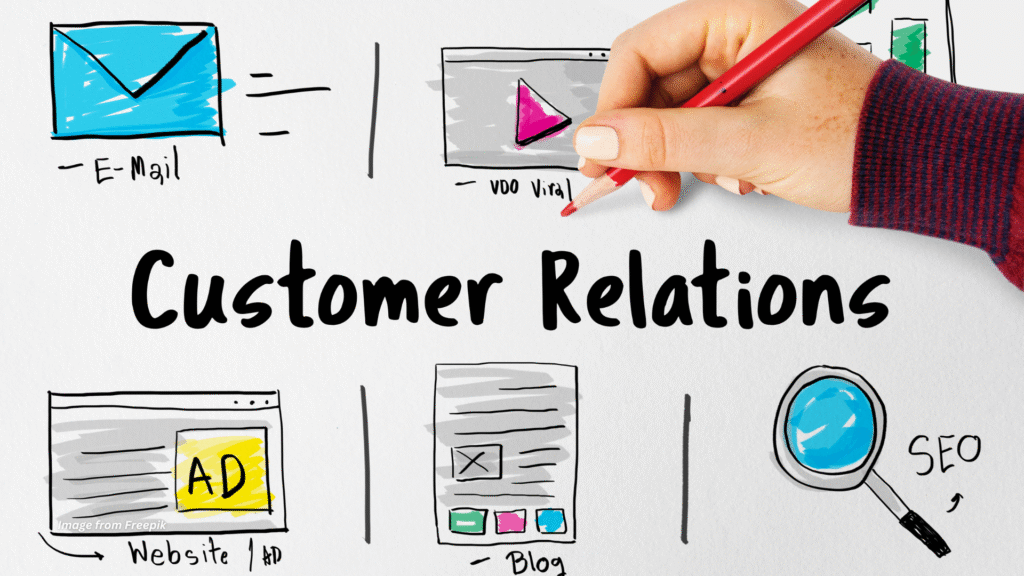
If You Want More Customers, You’ll Need Intentional Marketing
And marketing works best with a playbook.
If you run a business and want:
- More customers
- Better-fit customers
- Clearer messaging
- More consistency
- More return customers
- Long-term customer
- More sales
You will need marketing.
And marketing without a playbook can feel like closing your eyes, aiming at a bullseye, and hoping for the best.
You might hit the target occasionally, but it’s hard to repeat.
A Marketing Playbook Is Precision
A marketing playbook is like using a high-powered scope:
- You see your target clearly
- You understand what matters to them
- You adjust intentionally
- You communicate with accuracy and consistency
That’s how marketing becomes a system — not a gamble.
One Important Truth: This Is Hard to Do Alone
This part matters.
A strong marketing playbook is not easy to create on your own.
It requires:
- Experience
- Outside perspective
- Trial and error
- Honest internal conversations
In many cases, it works best when:
- Leadership is involved
- Team members contribute insight
- Different viewpoints are considered
That’s why I often recommend working with a floral industry consultant — not to replace your team, but to guide it.
A good consultant helps:
- Ask the right questions
- Identify blind spots
- Bring structure to ideas
- Polish everything into one powerful playbook
- Help understand foreign and unfamiliar markets
From Marketing Playbook to Prospecting & Sales (Next-Level Work)
Once a marketing playbook is in place, something important happens.
It can be translated into:
- A prospecting playbook
- A sales narrative
- A clear funnel
- A repeatable growth system
That’s next-level work — and it only works when the foundation is solid.
Final Reflection
Showing up matters.
But showing up with clarity matters more.
A floral company marketing playbook doesn’t take away creativity — it gives it direction.
And when clarity meets consistency, growth becomes intentional — for florists, farms, wholesalers, distributors, and every business in between.

FAQ
1. What is a floral company marketing playbook?
A marketing playbook is a strategic guide that defines how a company communicates, positions itself, and connects with its customers. It aligns mission, vision, customer personas, value propositions, voice, tone, and messaging into one clear framework.
Unlike a brand guide, which focuses on visuals, a marketing playbook focuses on clarity and intention. It becomes the reference point for marketing, sales, hiring, onboarding, and long-term growth.
2. Why do floral businesses need a marketing playbook?
Floral businesses operate in a relationship-driven, highly competitive industry where many companies offer similar products and services. A marketing playbook helps florists, farms, wholesalers, distributors, and service providers clearly communicate what makes them different — and why the right customers should choose them.
Companies that define customer personas and maintain consistent messaging see significantly higher returns on their marketing efforts.
3. Is a marketing playbook only useful for large companies?
No. In many cases, smaller and mid-sized businesses benefit even more.
When resources are limited, structure helps prevent wasted time and budget. A marketing playbook allows smaller teams to stay consistent, make clearer decisions, and scale without losing identity.
It also helps new employees get aligned faster and ensures marketing doesn’t depend on one person’s interpretation.
4. Why work with a floral industry consultant to build a floral company marketing playbook?
Building a strong marketing playbook is not easy to do alone.
It requires experience, outside perspective, and the ability to ask the right questions — especially when teams are close to their own business. A floral industry consultant understands the nuances of the supply chain, buying behavior, and market dynamics, and can help guide leadership and teams through the process.
A consultant doesn’t replace your team — they help focus, structure, and polish everything into one cohesive, powerful playbook.
- How does a floral company’s marketing playbook support prospecting and sales?
Once a marketing playbook is in place, it becomes much easier to translate messaging into prospecting tools, sales narratives, and funnels.
This alignment leads to more consistent conversations, better-qualified leads, and a more repeatable growth system.
Want to Talk This Through?
If this resonates and you have questions — or simply want to talk through what this could look like for your business — I’m always open to a conversation.
You can schedule a call here.
Sometimes clarity starts with a conversation.
— Sahid Nahim